L'Heure du Voyage
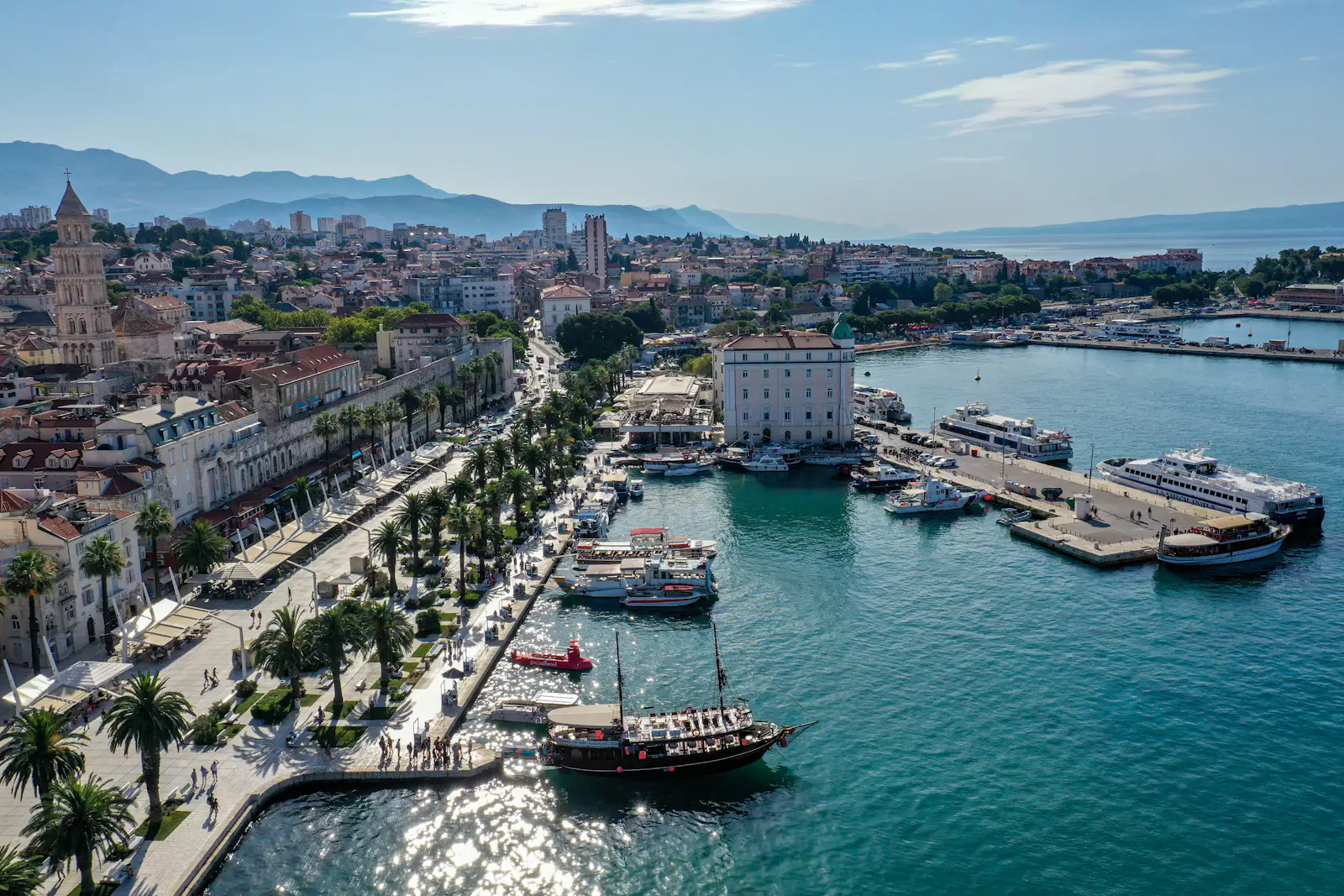
Riva seafront and Diocletian's Palace in Split, Croatia
🇭🇷 Croatia · Split

Split: what to see, where to stay, 2026 tips

A Roman city built inside a UNESCO-listed imperial palace, Split blends living ruins, a lively seafront and ferries to the finest Dalmatian islands. Here's how to enjoy it in 2 or 3 days.

Split at a glance

Population

160,000

Airport

SPU

Ideal stay

2 to 3 days

Budget / day

€50-200

Flight Paris

~2h direct

Time diff

None

Current climate

Best season

Photo : mana5280 / Unsplash

In brief

Split in brief

  • 1

    A Roman palace still inhabited

    Diocletian's Palace is not a museum but a living quarter: shops, bars and homes have filled the ancient walls for 1,700 years.

  • 2

    The gateway to the Dalmatian islands

    Hvar, Brač and Vis are reachable by ferry from the port. Book summer crossings ahead, especially for cars.

  • 3

    More relaxed than Dubrovnik

    Split lives all year round, with a real local population. The mood stays more authentic and prices gentler.

  • 4

    Climb Marjan Hill

    The city's green lung offers trails, viewpoints and coves ten minutes from the center. Best at sunrise or sunset.

  • 5

    Soak up life on the Riva

    The palm-lined seafront is the city's living room. Coffee in the morning, drinks at night, this is where Split gathers.

Must-see

What to see in Split?

★ #1 📍

Diocletian's Palace

A 4th-century Roman imperial palace listed by UNESCO, turned into a living city core with peristyle and ancient columns.

⏱ 2-3 h 💰 Free Must-see
★ #2 📍

Cathedral of Saint Domnius

Diocletian's former mausoleum turned cathedral, with a bell tower whose climb offers a sweeping view.

⏱ 1 h 💰 €10 Must-see
★ #3 📍

The Riva (seafront)

Iconic palm-lined promenade and cafe strip facing the port and the ferries.

⏱ Stroll 💰 Free Atmosphere
★ #4 📍

Marjan Hill

Forest park on a peninsula, with trails, lookouts and coves. The green lung of Split.

⏱ 2-3 h 💰 Free Nature & view
★ #5 📍

Pazar Market

Large open-air market east of the palace, fruit, vegetables and local produce from morning to early afternoon.

⏱ 1 h 💰 Free Local
★ #6 📍

Palace basements

Perfectly preserved Roman vaulted halls beneath the palace, a cult stop for Game of Thrones fans.

⏱ 45 min 💰 €7 Culture
★ #7 📍

Bačvice Beach

A rare shallow sandy beach in the heart of the city, home of picigin, the local ball game.

⏱ Half-day 💰 Free Swimming
★ #8 📍

The Peristyle

Colonnaded courtyard at the center of the palace, an open-air stage for a drink facing the Egyptian sphinx.

⏱ 30 min 💰 Free Photo spot
★ #9 📍

Varoš district

A former fishermen's and shepherds' village, stone lanes and low houses west of the palace.

⏱ 1 h 💰 Free Off the beaten path
★ #10 📍

Golden Gate & Gregory statue

Monumental north entrance to the palace, guarded by the giant statue of Gregory of Nin, whose lucky thumb everyone rubs.

⏱ 20 min 💰 Free Tradition

Choose your district

Where to stay in Split?

Old Town (Diocletian)

Sleeping within the palace walls, at the heart of the buzz. Magical but pricey and noisy at night. From €90/night.

Atmosphere

Varoš

Former fishermen's quarter beside the old town, quiet lanes and local charm. From €70/night.

★ Recommended

Bačvice

Beach and nightlife side, a 10-minute walk from the center. Handy for swimming. From €65/night.

Beach

Manuš / Gripe

Residential areas just behind the palace, quieter and more affordable while still walkable to the center. From €50/night.

Quiet

Getting around

Getting around Split

🚶

On foot

The palace and old town are walked entirely on foot. The lanes are pedestrian and compact.

⛴️

Jadrolinija ferry

Daily links to Hvar, Brač, Vis and the islands from the central port. Book in summer for cars.

🚌

Promet bus

Urban network linking airport, beaches and districts. Buy tickets at the kiosk or onboard.

🚖

Taxi & Bolt

Bolt is widespread and cheaper than taxis. Handy from Kaštela airport.

Climate & crowds

When to visit Split?

Ideal Fair Avoid

01

Jan

02

Feb

03

Mar

04

Apr

05

May

06

Jun

07

Jul

08

Aug

09

Sep

10

Oct

11

Nov

12

Dec

Shoulder season

May-June, Sept · 22-27°C, warm sea · Ideal: perfect climate, active ferries, reasonable crowds

High season

July-Aug · 30-33°C, sweltering · Avoid: saturated and expensive, full ferries

Low season

Nov to March · 9-15°C, sometimes rainy · Fair: lively city year-round, reduced ferries

How much

Split budget (per day)

Backpacker

€50

per day

  • 🏨 Dorm / room: €24
  • 🍽️ Market & konoba: €16
  • 🚌 Urban bus: €3
  • 🎫 1 site
Recommended

Comfort

€120

per day

  • 🏨 3-4★ hotel: €75
  • 🍽️ Restaurants & fish: €32
  • ⛴️ Hvar ferry return: €13
  • 🎫 Cathedral + basements

Premium

€280

per day

  • 🏨 5★ sea-view hotel: €200
  • 🍽️ Fine dining: €55
  • ⛴️ Private boat trip
  • 🎫 Guided palace tour

Our tested itinerary

Split in 2 days

Day-by-day program.

1

Day 1: Palace & old town

  • 9am Diocletian's Palace and peristyle
  • 11am Cathedral of Saint Domnius and bell tower
  • 1pm Lunch and Pazar market
  • 4pm Palace basements and Varoš district
  • 7pm Drinks on the Riva at sunset
2

Day 2: Marjan, sea & islands

  • 8am Climb Marjan Hill
  • 11am Ferry and swim to a nearby island
  • 3pm Back and relaxing at Bačvice Beach
  • 6pm Picigin on the sand of Bačvice
  • 8pm Fish dinner in a Varoš konoba

Around

Tours from Split

📍

Hvar Island

1h by ferry · Lavender, vineyards and nightlife

📍

Trogir

30 min away · Small UNESCO island-town

📍

Krka Park

1h away · Waterfalls and turquoise pools

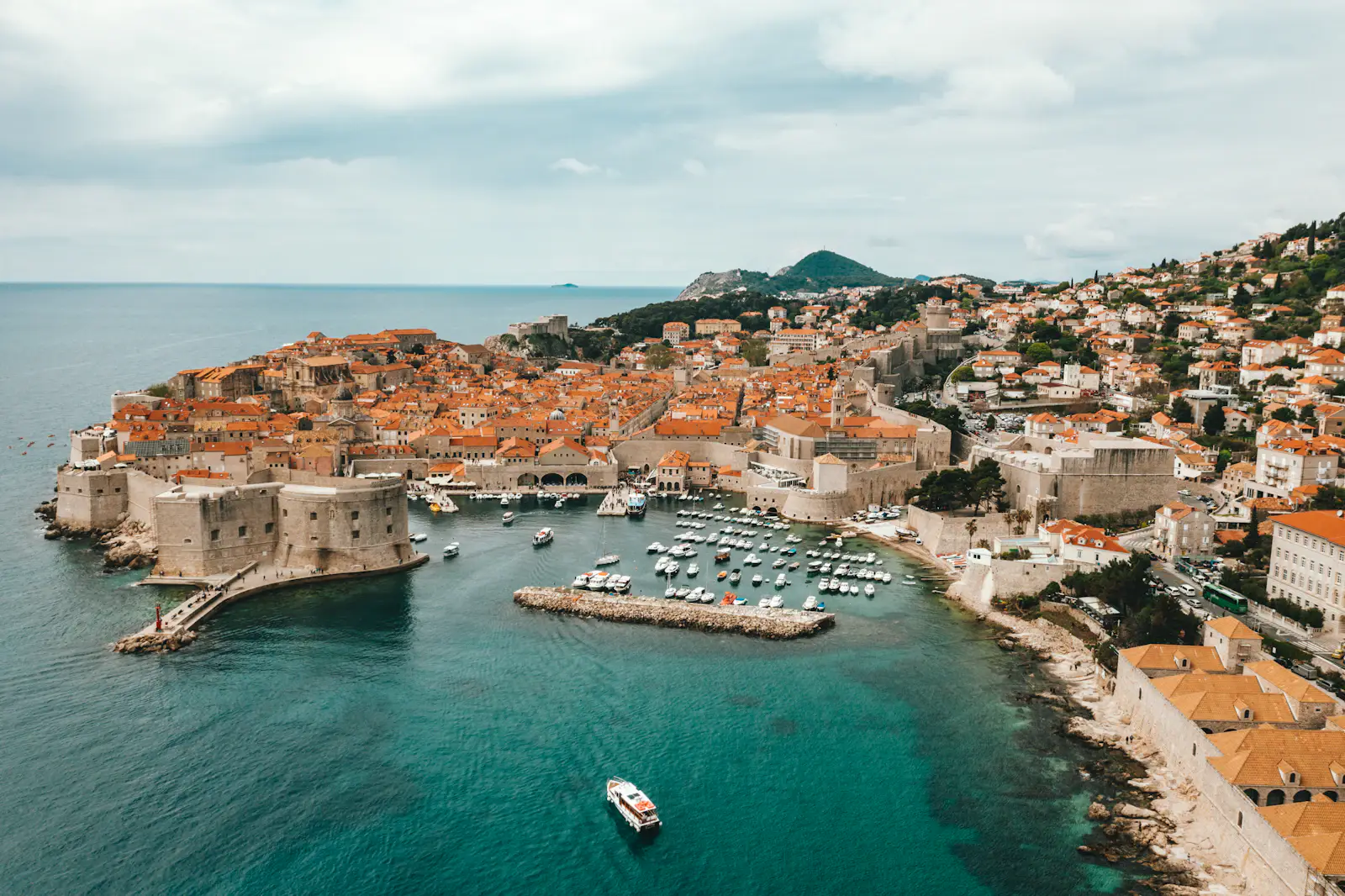
Walls and tiled rooftops of Dubrovnik old town along the Adriatic Sea 📍

Dubrovnik

3h away · The Pearl of the Adriatic

FAQ

Split FAQ

How many days to visit Split? +
Two days are enough for Diocletian's Palace, the cathedral, the Riva and Marjan Hill. A third day allows a ferry trip to Hvar or Brač, or a day at Krka Park.
What's the best neighborhood to stay in Split? +
The old town within the palace walls for the atmosphere, if the budget allows. Varoš for quiet local charm. Bačvice for the beach and nightlife, a ten-minute walk from the center.
Split or Dubrovnik, which to choose? +
Split is bigger, livelier year-round and better placed to reach the Dalmatian islands by ferry. Dubrovnik is more spectacular but more expensive and more touristy. Ideally, combine the two.
How to reach the islands from Split? +
Jadrolinija ferries and catamarans leave from the central port, right in the heart of the city. Count 1h to Hvar, 1h to Brač and about 2h30 to Vis. Book ahead in summer, especially with a car.
Do you need a visa for Split? +
No for French and EU nationals: Croatia is in the European Union and the Schengen Area. A valid ID card or passport is enough. See our Croatia visa guide.
Laura Petit

·

Europe specialist

Last updated: June 6, 2026.

View profile →