Relaxation travel is the opposite of adventure: you cut fatigue and stretch out every good moment. Beach, spa, retreat, thermal baths. 20 destinations tested by our team for travelers who actually want to rest, not tick boxes.
In brief
- Simple beach holiday: Mauritius, Maldives, Cape Verde, Crete. Water at 25-29°C, almost no logistics.
- Wellness retreats (spa, thalasso, ayurveda): Bali (Ubud), Sri Lanka, Japan (onsen), Morocco (hammam-riad).
- Rural slow travel: Tuscany, Puglia, inland Algarve, mountain Crete, Slovenia.
- Thermal baths: Iceland, Budapest, Slovenia, Baden-Baden.
- Useful length: 7 days minimum, 10 ideal. Real rest sets in around day 5-6.
- Closest beach escapes: Crete, Algarve, Morocco, Cyclades, 3h-3h30 by air from Paris.
Which relaxation destination fits your mood?
The right starting point isn’t the destination, it’s the mood: lounging by a lagoon, following a supervised cure, or slowing down in a rural village. The table below sorts our 12 destinations by type, climate, logistics and real budgets we recorded.
| Destination | Type of rest | Ideal period | Paris flight | Water temp | Couple 10d budget |
|---|---|---|---|---|---|
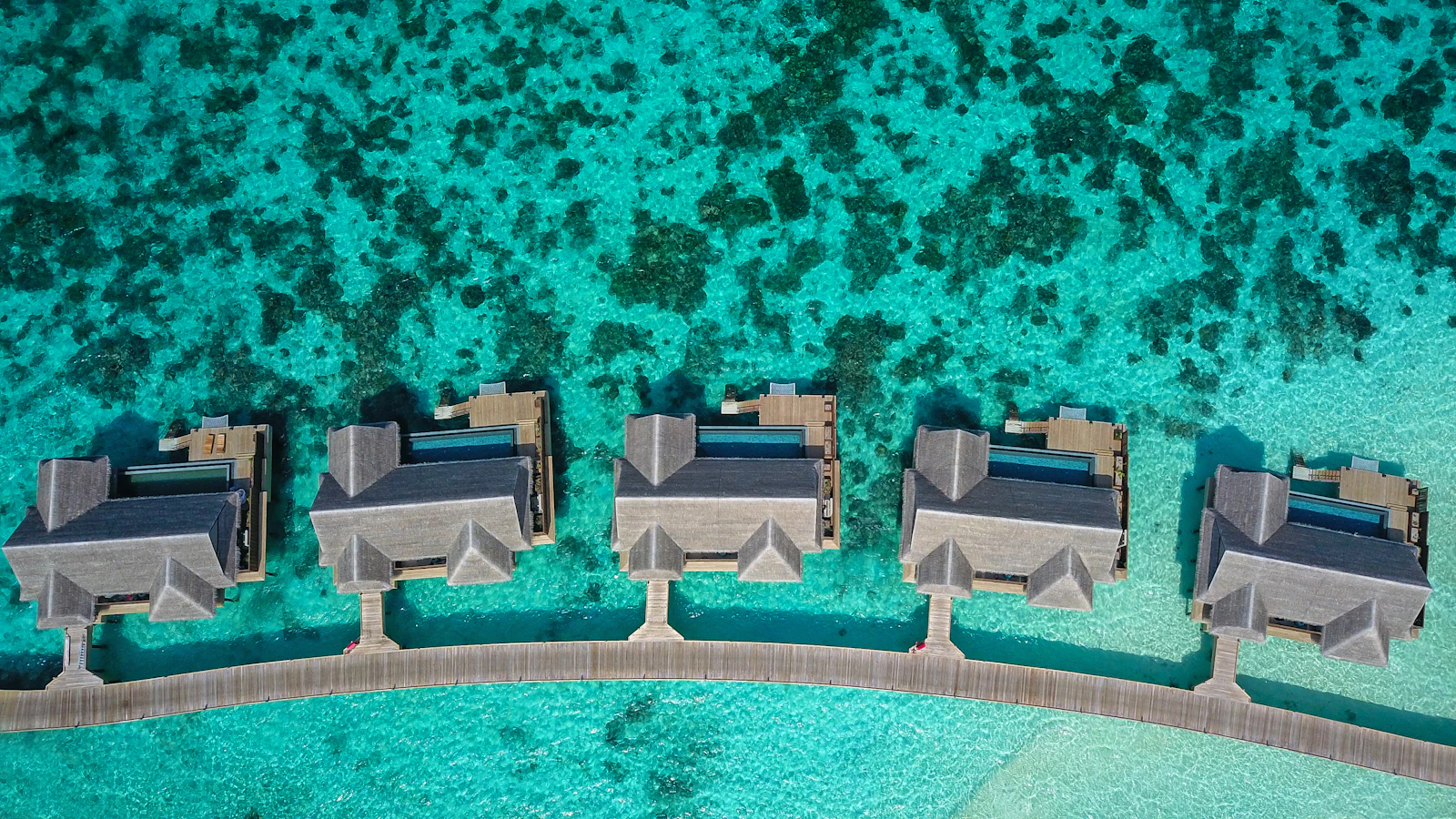
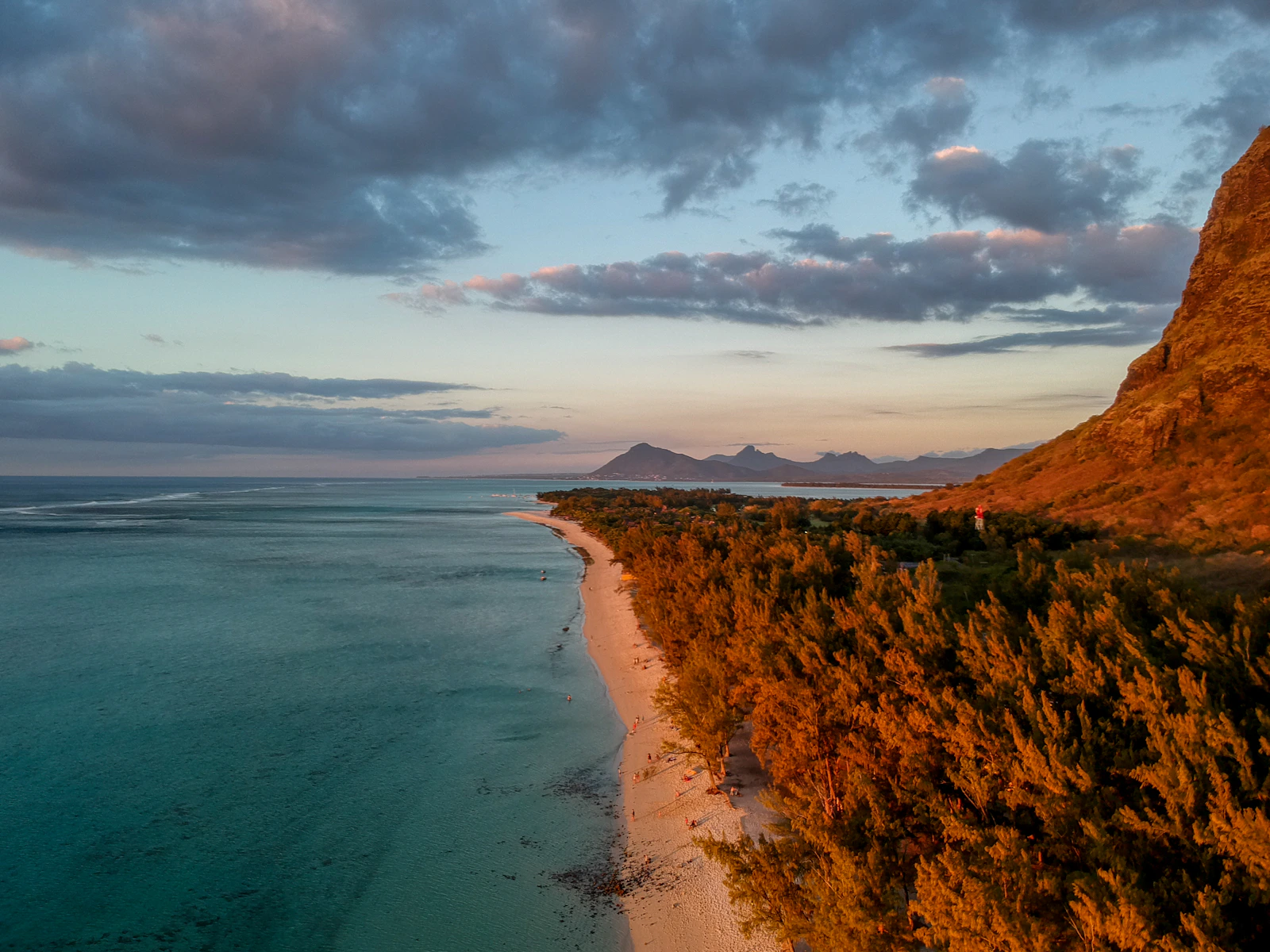
| Mauritius | Premium beach | May-Nov | 11h | 24-27°C | €5,500-13,000 |
| Maldives | Exclusive beach | Nov-Apr | 12h | 28-30°C | €7,000-20,000 |
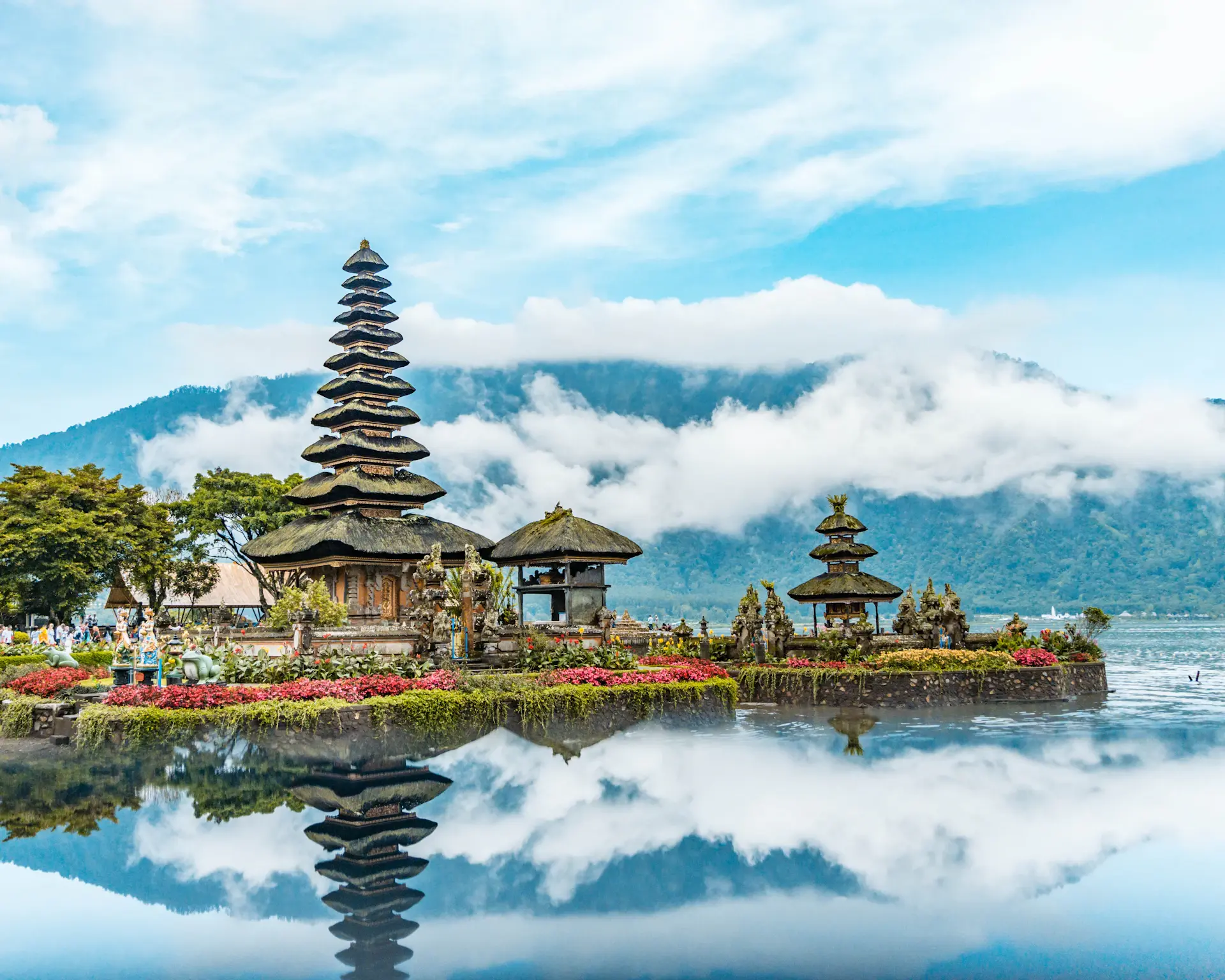
| Bali Ubud | Spa, rice fields, yoga | Apr-Oct | 14h | 27-29°C | €3,000-9,000 |
| Sri Lanka ayurveda | Ayurvedic cure | Nov-Apr | 11h | 27-28°C | €2,500-7,000 |
| Tuscany | Slow travel, wines | May-Oct | 2h | 22-25°C | €3,200-8,000 |
| Crete | Beach + nature | May-Oct | 3h30 | 21-26°C | €2,200-5,500 |
| Cape Verde | Affordable beach | Nov-Jun | 6h | 22-26°C | €2,500-5,500 |
| Algarve | Beach + golf | May-Oct | 3h | 18-22°C | €2,500-6,000 |
| Morocco riad | Hammam, medina | Oct-Apr | 3h30 | 18-23°C | €2,000-5,500 |
| Japan onsen | Thermal baths ryokan | Oct-Apr | 12h | baths 40-42°C | €4,500-9,000 |
| Iceland Blue Lagoon | Thermal | Year-round | 3h30 | baths 38-40°C | €3,500-8,000 |
| Budapest (Hungary) | Baths, city | Apr-Oct | 2h30 | baths 36-40°C | €1,500-3,500 |
A note on method: these budgets cover two people, flights and lodging included, over 10 full days. The low end reflects shoulder season and a mid-range hotel, the high end peak season in a five-star resort. The Maldives blow past the ceiling because of seaplane transfers (€250-500 per person round trip) that many travelers forget to budget.
Beach holidays: lounging first
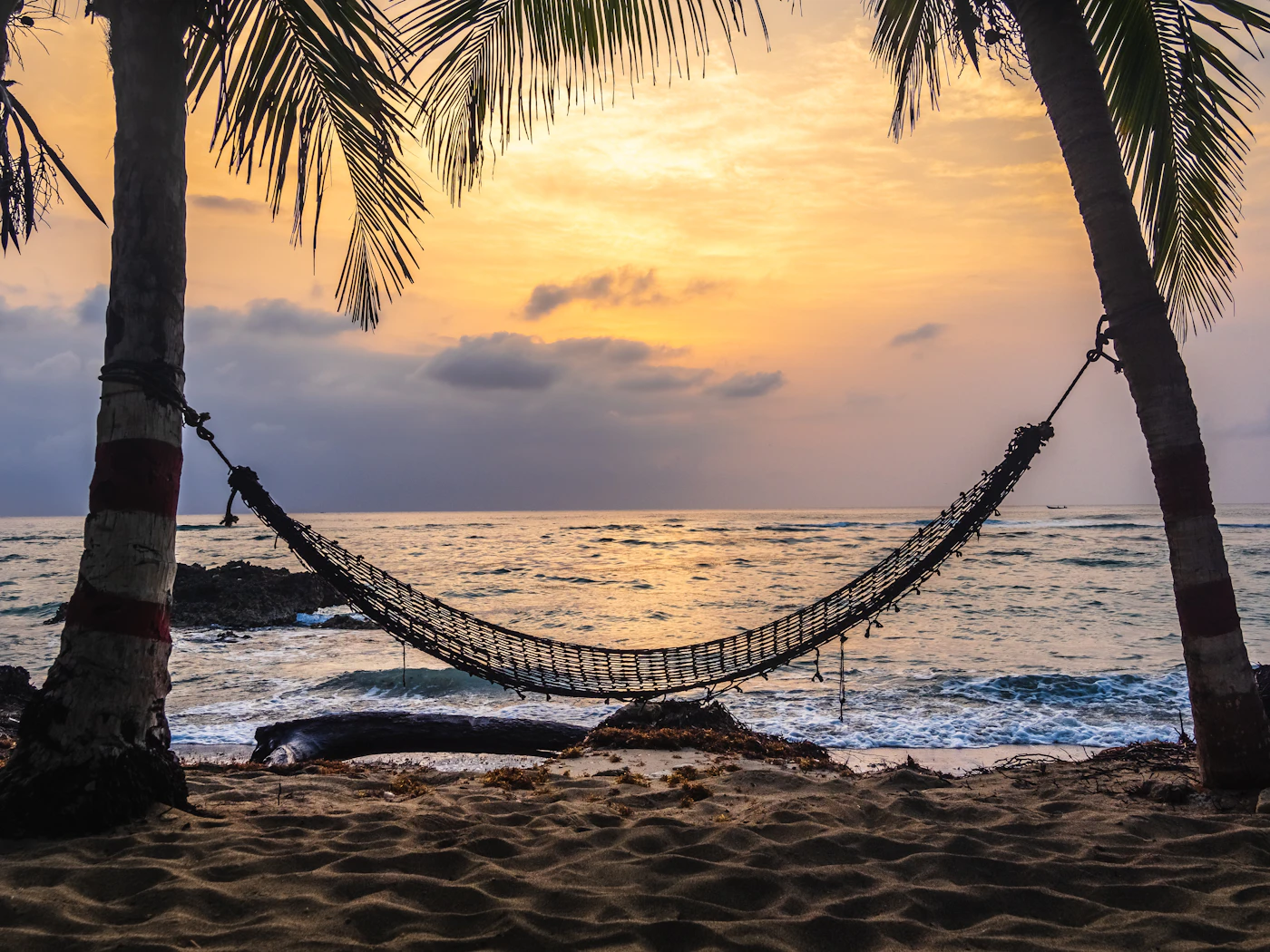
For a proper beach holiday, the sand and the water matter more than the list of available excursions. These are the spots where you drop your towel and stop thinking.
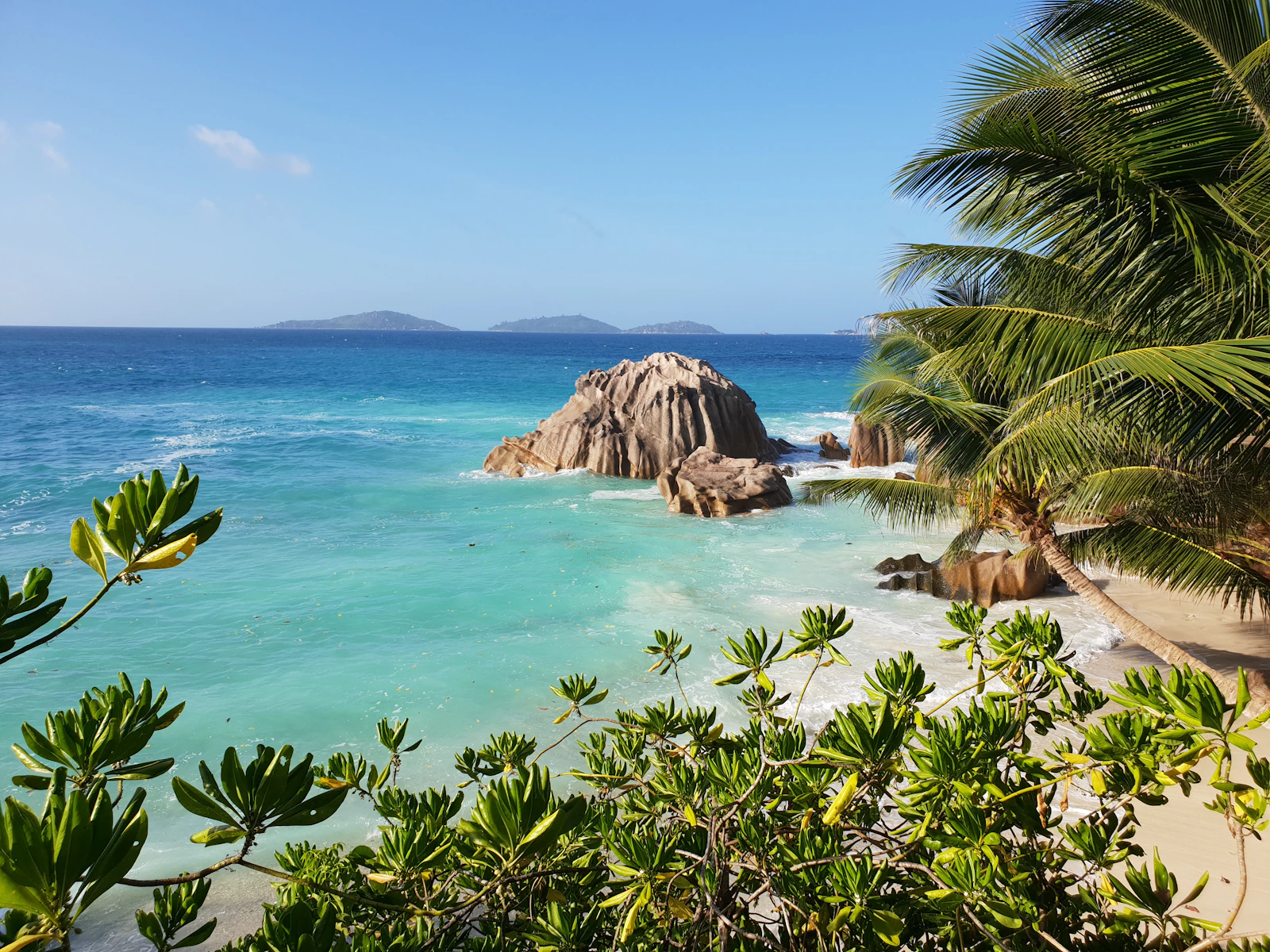
Mauritius, Maldives, Seychelles, Cape Verde, Crete, Algarve, Cyclades, Sardinia, Sicily, Bahamas. What separates these beaches: sand quality, water clarity, seasonal jellyfish, and above all available shade. A stunning beach with no tree and no umbrella turns unbearable after 11am.
On water temperature, the Indian Ocean (Mauritius, Maldives, Seychelles) stays between 26 and 30°C year-round, so swimming never feels like a dare. The Mediterranean runs cooler. Crete sits at 21°C in May and climbs to 26°C by September, the best month to swim there. The Algarve’s Atlantic stays cold (18-22°C) even at the height of summer, a detail the brochures conveniently skip.
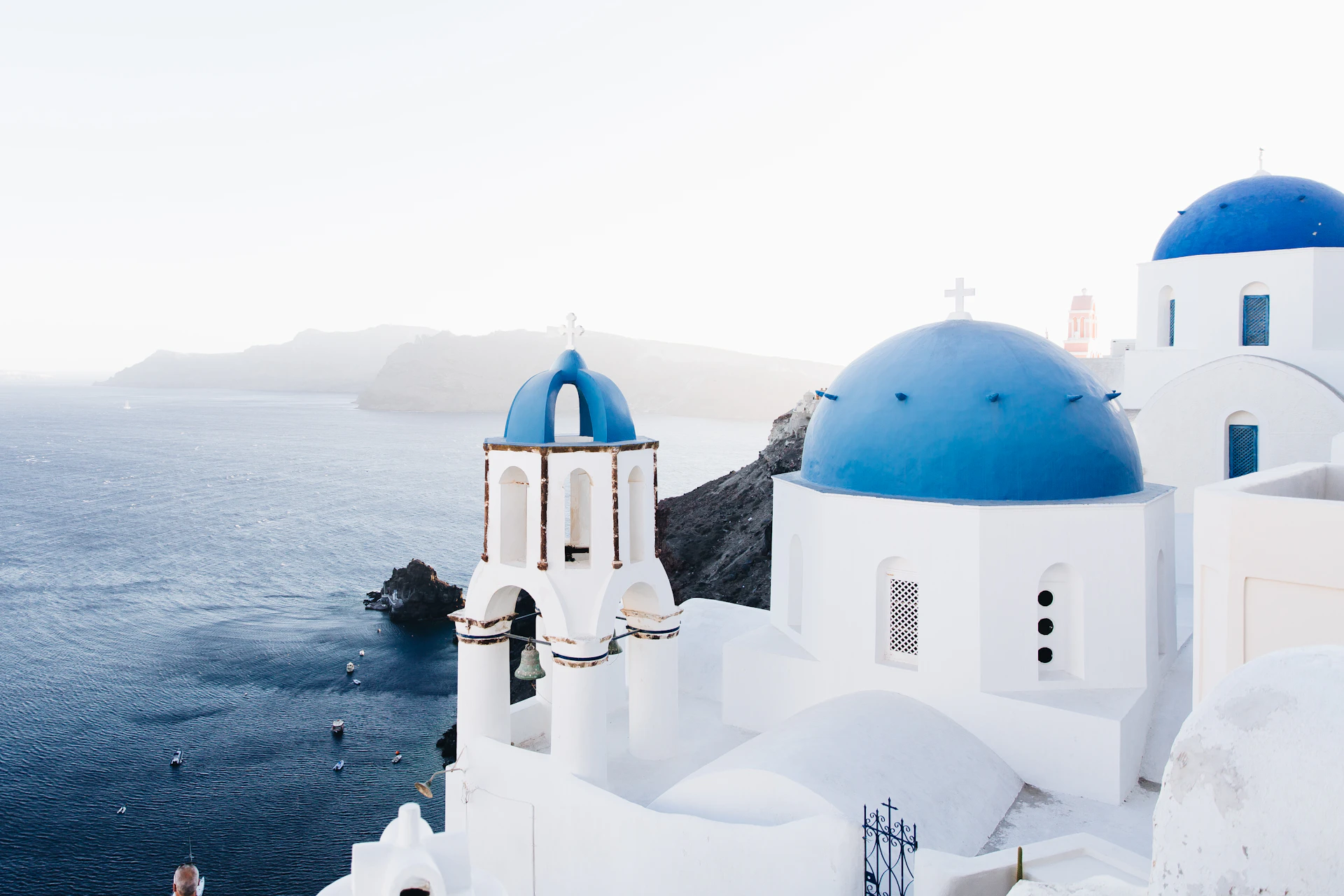
My blunt take after a June 2025 stay in the Cyclades: Santorini is crowded and overpriced for what it offers as a swimming spot, with few real sandy beaches. For pure lounging, Naxos or Milos, an hour away by ferry, are ten times better.
Wellness retreats: spa, thalasso, ayurveda
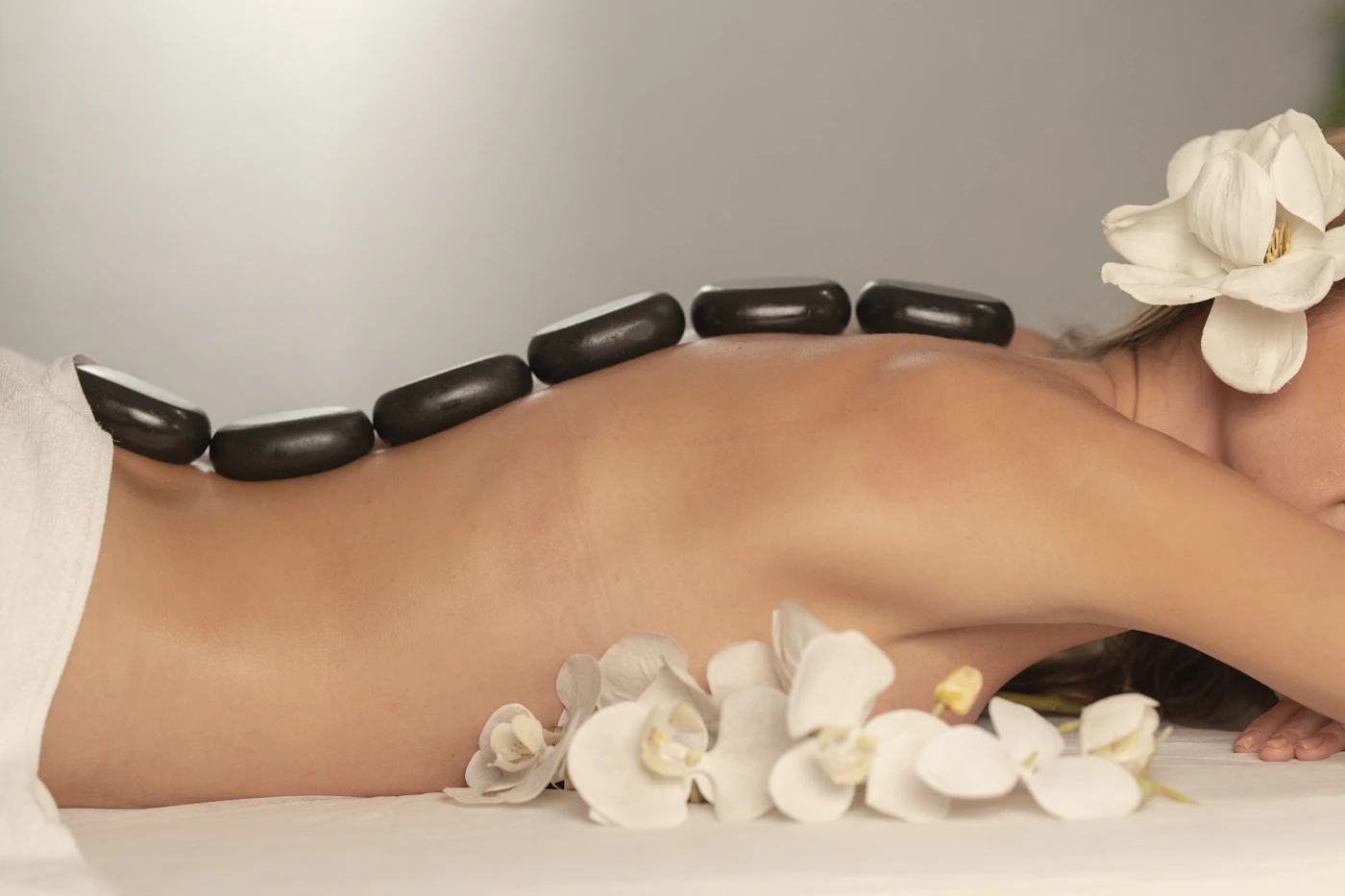
A wellness retreat builds rest around supervised treatments rather than a plain beach. Four families dominate, with very different price tags.
- Bali (Ubud): Balinese massages, yoga retreats, terraced rice fields. Budget €30 to €80 a spa day, among the best value anywhere.
- Sri Lanka: 7 to 21-day ayurvedic cures supervised by a doctor. Serious addresses like Heritance Maha Gedara or Barberyn Reef Resort, €100 to €200 a day all in.
- Morocco, in a riad: traditional steam hammam and black-soap scrub, €25 to €60 a session in the medinas of Marrakech or Fez.
- Japan, in a ryokan: private or shared onsen baths and a kaiseki dinner, €150 to €400 a night. Rest in its quiet, mineral version.
- Thailand: the global wellness benchmarks, Chiva-Som and Kamalaya, on 5 to 14-day programs, €350 to €800 a day.
Thalassotherapy offers a closer alternative too. In France, the centers of Brittany (Roscoff, Saint-Jean-de-Monts), the Basque Country (Biarritz, Saint-Jean-de-Luz) and the Mediterranean coast (Antibes, Fréjus) use seawater heated to 31-35°C for treatments. An ideal formula for a wellness weekend with no time difference and no long-haul flight.
Rural slow travel: actually slowing down
Rural slow travel bets on rhythm rather than scenery: long shared meals, morning walks, and a minimum of three nights in one place.
Tuscany (agriturismos in Chianti, Val d’Orcia and the Maremma), Puglia (trulli masseries among olive groves), inland Algarve (rural quintas along the cork route), inland Crete (White Mountain villages), Slovenia (Soča valley, Julian Alps hamlets). The common thread: you eat what grows 200 meters away, and the car comes out twice a day at most.
Thermal baths: rest in any season
Hot baths are the one relaxation formula that ignores the calendar: you soak under snow as happily as under the sun.
Iceland (Blue Lagoon at 38-40°C, Sky Lagoon, the natural springs of Mývatn), Budapest (the Széchenyi, Gellért and Rudas baths, some dating from the Ottoman era), Japan (Hakone, Kusatsu, Beppu), Germany (Baden-Baden), Slovenia (Rogaška Slatina, Terme Olimia). Budapest stays the most affordable option: a baths-and-city weekend comes in at €600-1,200 for two, flight included.
Our “slow” approach
Relaxation travel doesn’t mean doing nothing. It means doing little, but well. A few principles I apply on every rest trip:
- One or two activities a day, no more. One in the morning, one in the afternoon, with a real break in between.
- Three nights minimum per stop. Packing and unpacking every two days is the number-one enemy of rest.
- A hotel that holds up all day: garden, terrace or pool. If you plan to stay, the place has to earn it.
- Eat slowly, on a terrace when you can. The table is part of the trip, not a chore to rush.
- Walk early morning or late afternoon, never in full sun or in the crowds.
- Social media off during meals. Moderate screen time changes everything about feeling truly cut off.
Relaxation travel logistics
Hotels
- Boutique hotels, riads, ryokans and agriturismos beat large impersonal resorts.
- Built-in spa and a careful breakfast: the two criteria you feel every single day.
- Check the room size. For 10 days, under 25 m² and you start pacing.
- A balcony or private terrace beats a sea view with no outdoor space.
Flights
- Prefer daytime flights: recovery is far easier than after a red-eye.
- One layover at most. Past 12 hours of flying, Premium Economy earns its price by getting you there rested.
- Avoid tight connections (under 2h) at busy hubs like Roissy or Heathrow.
Activities to ration
- One yoga, pilates or tai-chi class per stay is enough to give the trip an anchor.
- One massage a week (two or three in Bali, given the price).
- One nature or beach walk of one to two hours in the morning.
- One memorable fine-dining dinner, just one, rather than five average ones.
Relaxation FAQ
Which destination is best to truly rest?
Mauritius in a five-star (10 days), an ayurvedic cure in Sri Lanka (10-14 days), or a retreat in Bali Ubud (7-10 days). All three rely on infrastructure built for disconnection, with staff who take the organizing off your hands. That’s the gap between passive holidays and a real wellness retreat.
How many days does it take to feel relaxed?
Seven days minimum, ten ideally. The first 3 to 4 days go to absorbing jet lag and letting accumulated stress drop. Count about one recovery day per time zone crossed, with eastbound flights the harshest. Real rest settles in on day 5 or 6, which is why a too-short trip rarely works.
What’s the closest beach destination to France?
Crete, the Algarve and the Cyclades, 3h-3h30 by air from Paris. To stay in Europe without a long-haul flight, these are the best trade-offs between travel time, price and beach quality. Morocco (3h30) adds the hammam-and-medina dimension for a sharper change of scene in few flying hours.
Is relaxation travel with teenagers possible?
Yes, as long as you pick a destination with optional activities. Bali Ubud (surf lessons, bikes, water sports), Mauritius (catamaran, water park) and Crete (beach in the morning, archaeological sites in the afternoon) all work well. Aim for hotels with a teen club if your kids need structure.
How do you spot a quality spa?
Four concrete markers. International certifications (ESPA, SHA Wellness Clinic) rule out improvised centers. Trained staff matters as much as the decor, especially in Bali where the word “spa” isn’t protected. Full equipment (hammam, sauna, pool) signals a real center rather than a single isolated room. Finally, a structured cure combining treatments, nutrition and physical activity beats a string of standalone massages.
Is a thalasso worth a faraway spa?
For pure recovery, yes. Thalassotherapy uses seawater heated to 31-35°C with treatments supervised by physiotherapists, a few hours away by train. No time difference, no jet lag to digest, so you start the treatments on day one. The faraway spa wins on change of scene, the thalasso wins on results per day on site.
Can you do relaxation travel on a budget?
Yes, mostly off-season. Budapest comes in at €600-1,200 for two on a baths-and-city weekend. Moroccan riads off-season run €1,500-2,500 a week for two. Crete in May or October drops to €1,200-2,500 a week, with the water still pleasant and the crowds gone. Slovenia’s thermal baths wrap a weekend at €400-800.
Continue elsewhere
Page written by Sophie M., ecotourism and wellness specialist. Last updated: May 22, 2026.