L'Heure du Voyage
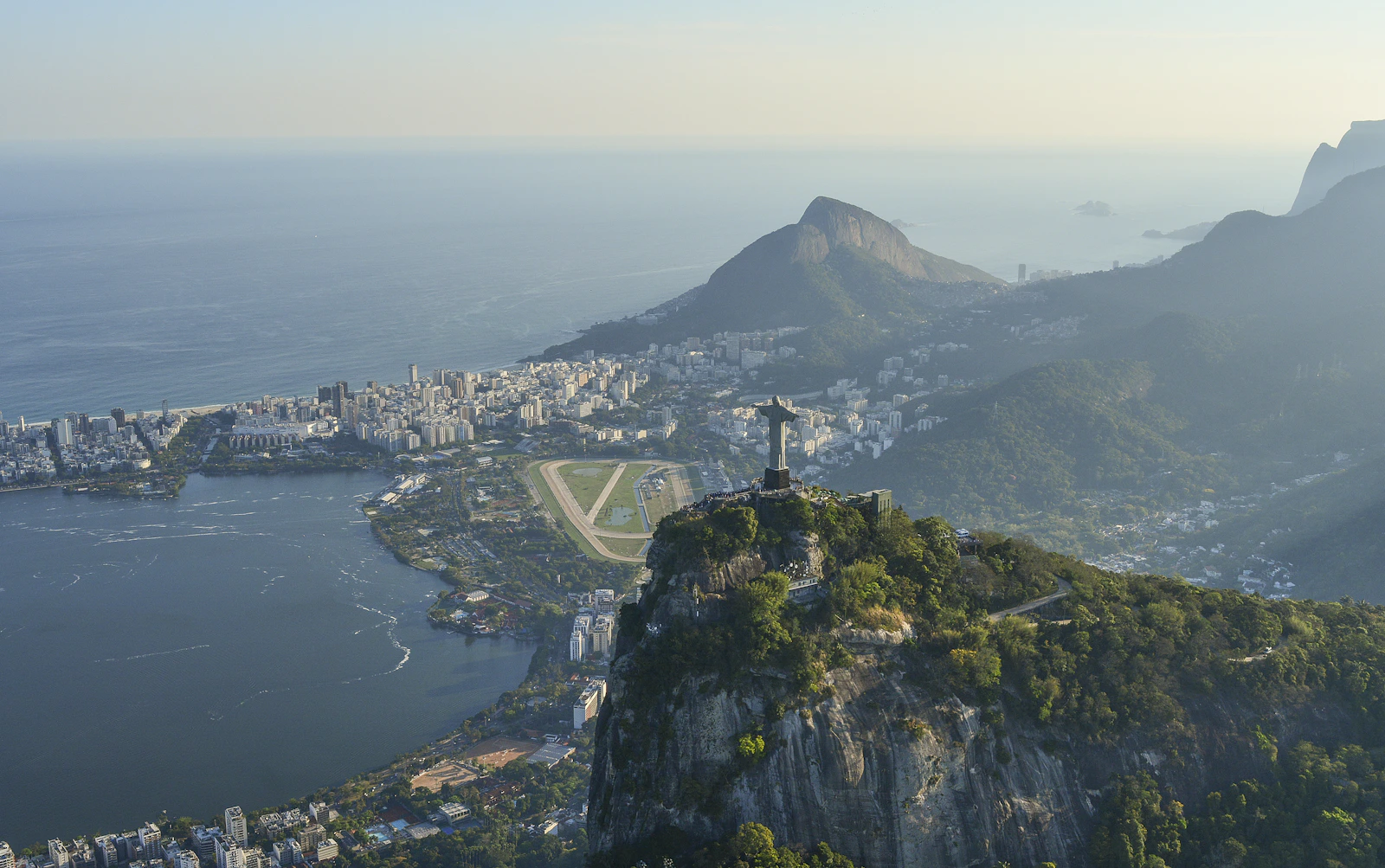
Christ the Redeemer on Corcovado overlooking Rio de Janeiro and Guanabara Bay
🇹🇭 South America · 213M people

Travel to Brazil: the complete 2026 guide

Rio under Corcovado and Sugarloaf, world-famous Carnival in February, Iguazu falls from the Brazilian side, Amazon from Manaus, Afro-Brazilian Salvador da Bahia, Pantanal and its jaguars, Lençóis Maranhenses dunes and lagoons. Our guide to plan 10 days to 3 weeks in Brazil, visa-free for EU citizens.

Brazil at a glance

Capital

Brasília

Language

Portuguese (BR)

Currency

Brazilian Real (BRL)

Time diff

-4h to -5h

Flight from Paris

~11h direct (São Paulo / Rio)

Average / day

€80-200

Visa

Best season

May-October (dry) depending on region

Photo : Raphael Nogueira / Unsplash

In 30 seconds

Why visit Brazil

  • 1

    Rio and Carnival, a global event

    Christ the Redeemer, Sugarloaf, Copacabana, Ipanema. Carnival runs mid-February to early March (13-17 February 2026), 5 days of Sambódromo parades and free street blocos. Book flights and hotels 9-12 months ahead.

  • 2

    Iguazu, seen from the Brazilian side

    275 cascades over 2.7 km. The Brazilian side (Foz do Iguaçu) offers the panoramic frontal view; the Argentine side lets you walk over the falls. Do both in 2 days via the Puerto Iguazú border.

  • 3

    Amazon: 60% of the country, accessible from Manaus

    Manaus is the gateway. Jungle lodges 2-4h by boat, 4-6 day cruises on rio Negro and rio Solimões. Dry season July-November (trails passable) or wet season January-June (canoeing in flooded igapós).

  • 4

    Pantanal: wildlife more accessible than the Amazon

    World's largest wetland (140,000 km²). Jaguars, caimans, capybaras, anacondas, jabirus. Dry season June-October = animals concentrated near water, jaguars near-guaranteed at Porto Jofre. More visible and photogenic than the Amazon canopy.

  • 5

    7,491 km of coastline and unique sites

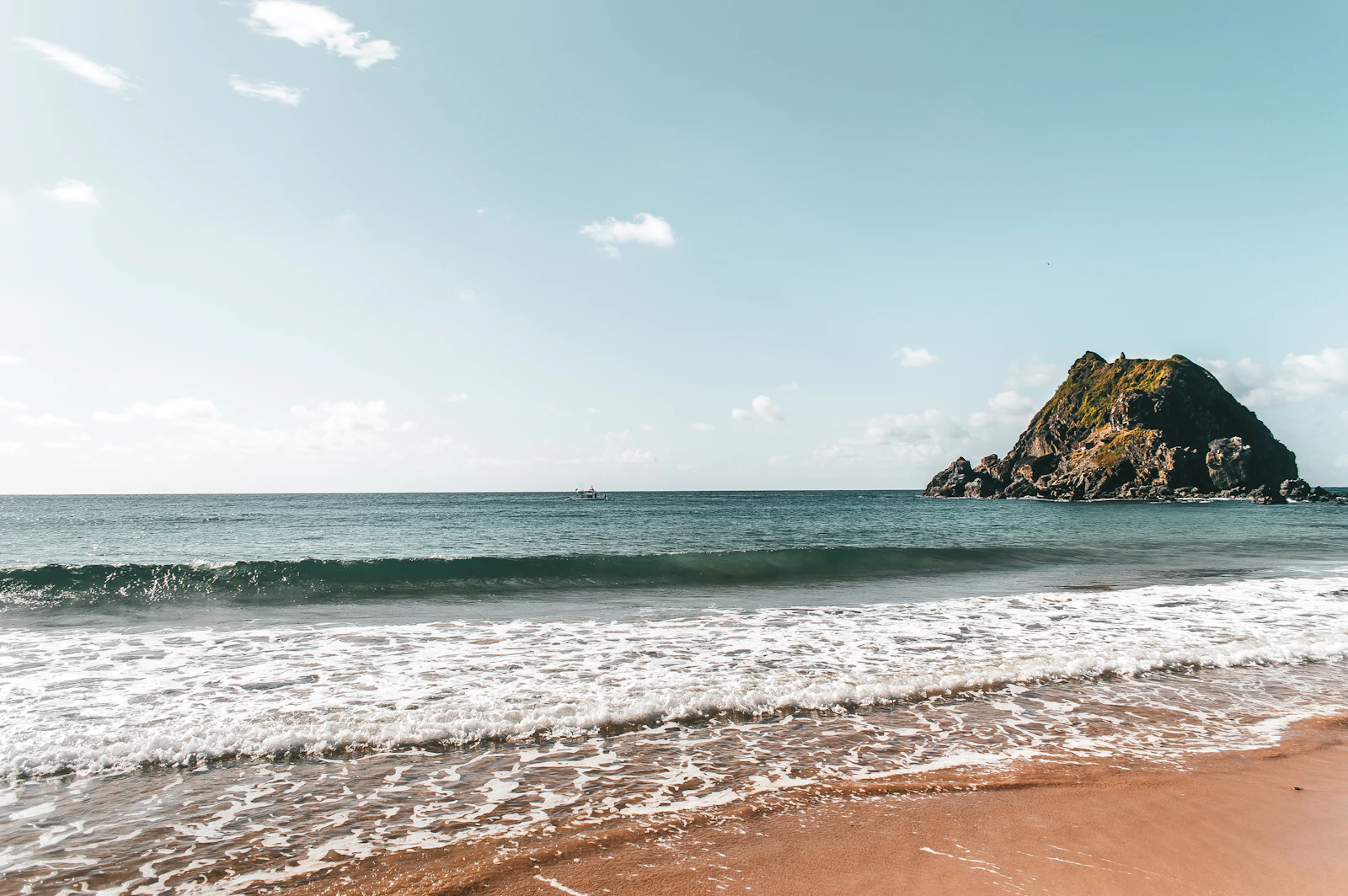
    State beaches (Búzios, Florianópolis, Jericoacoara), UNESCO Fernando de Noronha archipelago, turquoise dunes and lagoons of Lençóis Maranhenses (June-September), Salvador and its UNESCO colonial Pelourinho.

Calendar

When to go to Brazil

Southern hemisphere: reversed seasons. The southern summer (December-March) is hot and humid in the south (Rio 30-35 °C), ideal for beaches and Carnival but peak tourism. The southern winter (May-September) is dry, cool, and is THE Amazon + Pantanal window (animals concentrated, fewer mosquitoes). The Lençóis Maranhenses must be visited strictly June-September when the lagoons are full after rains. No single ideal season: it all depends on the route.

Full when-to-go guide →
Ideal Fair Avoid · Click for details

01

Jan

🌡 21-30 °C

02

Feb

🌡 21-30 °C

03

Mar

🌡 21-29 °C

04

Apr

🌡 19-28 °C

05

May

🌡 17-26 °C

06

Jun

🌡 16-25 °C

07

Jul

🌡 15-25 °C

08

Aug

🌡 16-27 °C

09

Sep

🌡 17-28 °C

10

Oct

🌡 18-28 °C

11

Nov

🌡 19-29 °C

12

Dec

🌡 20-29 °C

Detailed programs

Recommended itineraries

1 week

1-week itinerary

📅 1 week 💰 📍 Rio de Janeiro · Paraty · Foz do Iguaçu
See itinerary →
2 weeks Best-seller

2-week itinerary

📅 2 weeks 💰 📍 Rio de Janeiro · Salvador · Lençóis Maranhenses · Manaus / Amazon
See itinerary →
1 month

1-month itinerary

📅 1 month 💰 📍 Rio · Iguazu · Salvador · Lençóis · Manaus · Pantanal
See itinerary →

Destinations

Cities & islands of Brazil

By traveler profile

Which trip suits you?

In pictures

Brazil in photos

Must-do

Signature experiences

Plan your trip

Practical info

📄

Brazil visa

No visa for EU citizens for tourist stays under 90 days. Passport valid 6 months after return.

Read the guide →
💉

Vaccines & yellow fever

Yellow fever mandatory for Amazon, Pantanal, Iguaçu and half the country. Hepatitis A and B recommended. Get shots 10 days before departure.

See sheet →
🛡️

Travel insurance

Recommended. Private healthcare widely used, moderate costs but long transfers in Amazon or Pantanal.

Compare →
📡

Brazil eSIM

Decent 4G in all cities and beaches, weak in Amazon and Pantanal. eSIM from €8 for 7 days.

Compare →

How much

Brazil budget

💰 Calculate my budget →

Backpacker

€1,400

  • ✈️ Paris-São Paulo / Rio flight: €550
  • 🏨 Hostel / simple pousada: €15/night
  • 🍽️ Prato feito + markets: €15/day
  • 🚌 Bus + metro + Uber: €200
Recommended

Comfort

€2,500

  • ✈️ Flight: €650
  • 🏨 3-4 star hotel: €70/night
  • 🍽️ Mixed meals: €40/day
  • ✈️ 3 domestic flights: €300

Premium

€7,000

  • ✈️ Premium economy: €1,600
  • 🏨 5-star Copacabana Palace: €300-700/night
  • 🍽️ Fine dining: €100/day
  • 🚙 Pantanal lodge / Noronha: Included

Our picks

Prepare your trip to Brazil

Our tested and updated comparisons for a smooth trip to Brazil.

🏢

Best travel agency for Brazil

Tailor-made agencies, organized tours, free quotes. Our selection for Brazil.

See comparison →
🛡️

Travel insurance for Brazil

Medical coverage, repatriation, cancellation. The best insurance for Brazil.

See comparison →
📡

eSIM for Brazil

Data plans, network coverage, pricing. The best eSIM to stay connected in Brazil.

See comparison →

Combine with

Combine with

FAQ

FAQ

Do I need a visa for Brazil in 2026? +
No visa for EU citizens (French, Belgian, Swiss) and Canadians for tourist stays under 90 days, renewable once on site. Passport valid 6 months after return. Brazil announced in 2024 the reintroduction of an e-visa for Americans, Canadians and Australians starting April 2025, finally pushed to April 2026: Canadian and US travelers should check the status on the official itamaraty.gov.br before departure. EU citizens are not affected.
How many days do you need in Brazil? +
Minimum 10 days for Rio + Iguazu, the most time-efficient combo. 14 days to add Salvador and the Amazon. 3 weeks lets you cover Rio + Iguazu + Salvador + Lençóis Maranhenses + Amazon or Pantanal. Internal distances are huge (Rio-Manaus = 4h flight), budget 3 to 5 domestic flights for a comfort circuit.
When is the Rio Carnival 2026? +
Official Carnival 2026 runs from Friday 13 to Tuesday 17 February 2026 (Mardi Gras = 17 February). Sambódromo parades on Sunday 15 and Monday 16, with the Champions parade the following Saturday. Free street blocos start late January and last 3 weeks. Book flights and hotels 9-12 months ahead: prices triple in Rio during this period.
When to go to the Pantanal for jaguars? +
June to October, dry season. Rivers drop, animals concentrate around waterholes and trails become passable. Peak jaguar sightings: July-September at Porto Jofre (north Pantanal), with a success rate above 90% over 3 days of river safari. In wet season (December-March), the Pantanal floods and animals scatter.
Is Brazil safe in 2026? Should I avoid Rio and São Paulo? +
Elevated urban risk, but most tourists encounter no incident if they follow a few rules: no jewelry, no smartphone in hand on the street, Uber over street taxis, never enter a favela without a serious local guide, watch ATMs. Rio and São Paulo concentrate the crime but also 90% of organized tourist security. The Nordeste, the South (Floripa) and natural regions (Pantanal, Lençóis, Noronha) are notably calmer.
How to get around Brazil? Are domestic flights necessary? +
Yes, distances are continental. Rio-Manaus = 4h flight, Rio-Salvador = 2h30. LATAM, GOL and Azul airlines, domestic flights often from €80-150 if booked 2-3 months ahead. Comfortable long-distance buses (Cometa, Util) for short trips (Rio-Paraty 4h, São Paulo-Rio 6h). No tourist rail network. Rental car useful for the Nordeste and the South.
Do I need to speak Portuguese to travel in Brazil? +
Strongly recommended. English is limited outside upscale hotels, tourist agencies and big southern cities (Floripa). Brazilian Portuguese differs from European Portuguese: more melodic accent, specific vocabulary, almost no formal 'vous'. Learning 50 words and phrases (ordering, asking a price, taking an Uber) radically changes the experience. Spanish gets you partway but irritates Brazilians proud of their language.
Iguazu from the Brazilian or Argentine side? +
Both ideally, in 2 days. Brazilian side (Foz do Iguaçu): panoramic frontal view of 80% of the falls in half a day. Argentine side (Puerto Iguazú): walk over Garganta del Diablo, more trails, a full day. Border crossable by taxi or bus in 1h. If you must choose one, take the Argentine side (more immersive); but the Brazilian side gives the postcard shot.
Amazon or Pantanal for wildlife? +
Pantanal to see animals: wide open spaces, jaguars, capybaras, caimans, jabirus, anacondas. Very high sighting rate in dry season. Amazon for the jungle immersion experience: dense canopy, hidden wildlife, native peoples, rio Negro cruises from Manaus. If it's your first time and you want to see animals, choose the Pantanal. If you want to live the jungle, the Amazon.
Thomas Bernard

·

Geographer & traveler

Last updated: May 25, 2026.

View profile →