Adventure travel is measured by effort, not by the selfie. High-altitude trekking, technical diving, off-road 4WD trips, sea kayaking: your body and the weather call every shot. Here are 25 destinations tested among our 52, ranked by sport, required level, and real season.
In short
- Trek: Peru (Salkantay), Nepal (Annapurna), Patagonia, Tanzania (Kilimanjaro), Morocco (Toubkal).
- Diving: Indonesia (Raja Ampat), Egypt (Red Sea), Mexico (cenotes), Costa Rica (Cocos).
- Surf: Portugal (Ericeira, Nazaré), Indonesia (Bali), Morocco (Taghazout).
- Road trip: Iceland (Highlands), Australia (outback), Chile (Carretera Austral), Namibia.
- Floor budget: Morocco Atlas, a 6-day trek from €400 excluding flight. Ceiling: Raja Ampat or Cocos liveaboard, €3,500 and up.
- Prime global season: June to September in the northern hemisphere (alpine treks, Iceland, fjords), November to March in Patagonia.
What fitness level for which sport?
A sports trip demands honesty about your own condition. Overestimating your stamina at altitude is not bravado, it’s a medical risk. Here is the ranking by discipline, from the most accessible to the most demanding.
| Sport | Fitness needed | Best season | Budget /person (excl. flight) | Level |
|---|---|---|---|---|
| Day hiking | Regular walking, 4-6 h | Jun-Sept (N. Europe) | €30-60/day | Beginner |
| Surf | Strong swimming, core | Varies by spot | €200-500 (week) | Beginner to advanced |
| Moderate trek (< 3,000 m) | Stamina, 5-7 h/day | Jun-Sept | €400-900 (6 days) | Trained beginner |
| Recreational diving | OW certification, water-confident | Depends on sea | €350-700 (10 dives) | Intermediate |
| Off-road 4WD trip | Off-road driving | Dry season | €120-220/day (vehicle) | Logistics planning |
| Multi-day kayak / canoe | Shoulders, navigation | Local summer | €80-200/day | Intermediate |
| Altitude trek (> 4,000 m) | Excellent, acclimatization | Depends on range | €1,500-2,500 (2 wk) | Advanced |
Altitude trekking remains the discipline that most clearly separates profiles. At 5,000 metres, training matters less than acclimatization genetics, and nobody knows their own until they’re up there.
Trek: where to go by altitude
To decide which range to aim for, start from the maximum altitude you’re targeting, not the photo that made you dream. Altitude drives acclimatization, risk, and the cost of your insurance.
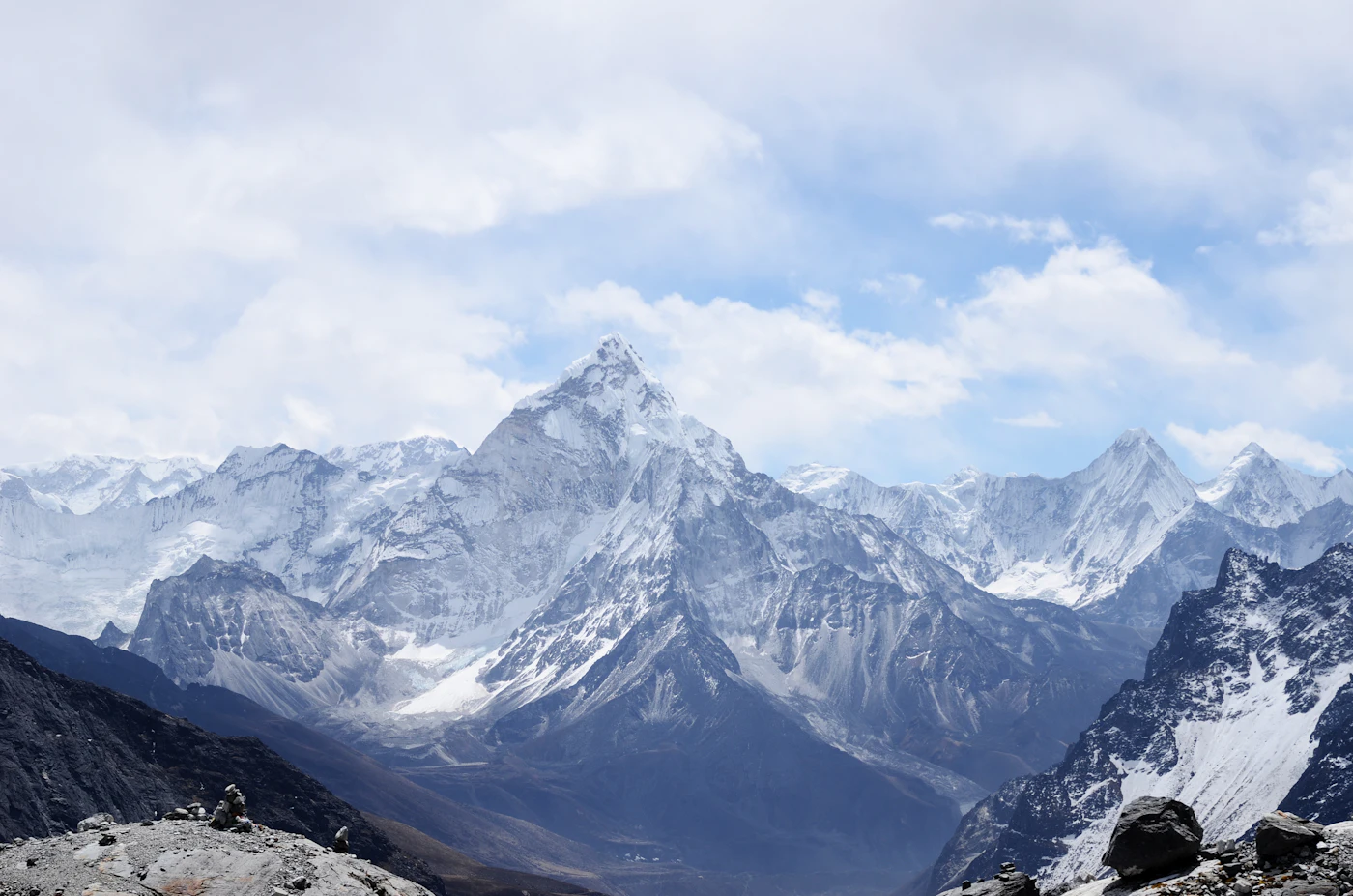
High altitude (above 4,000 m)
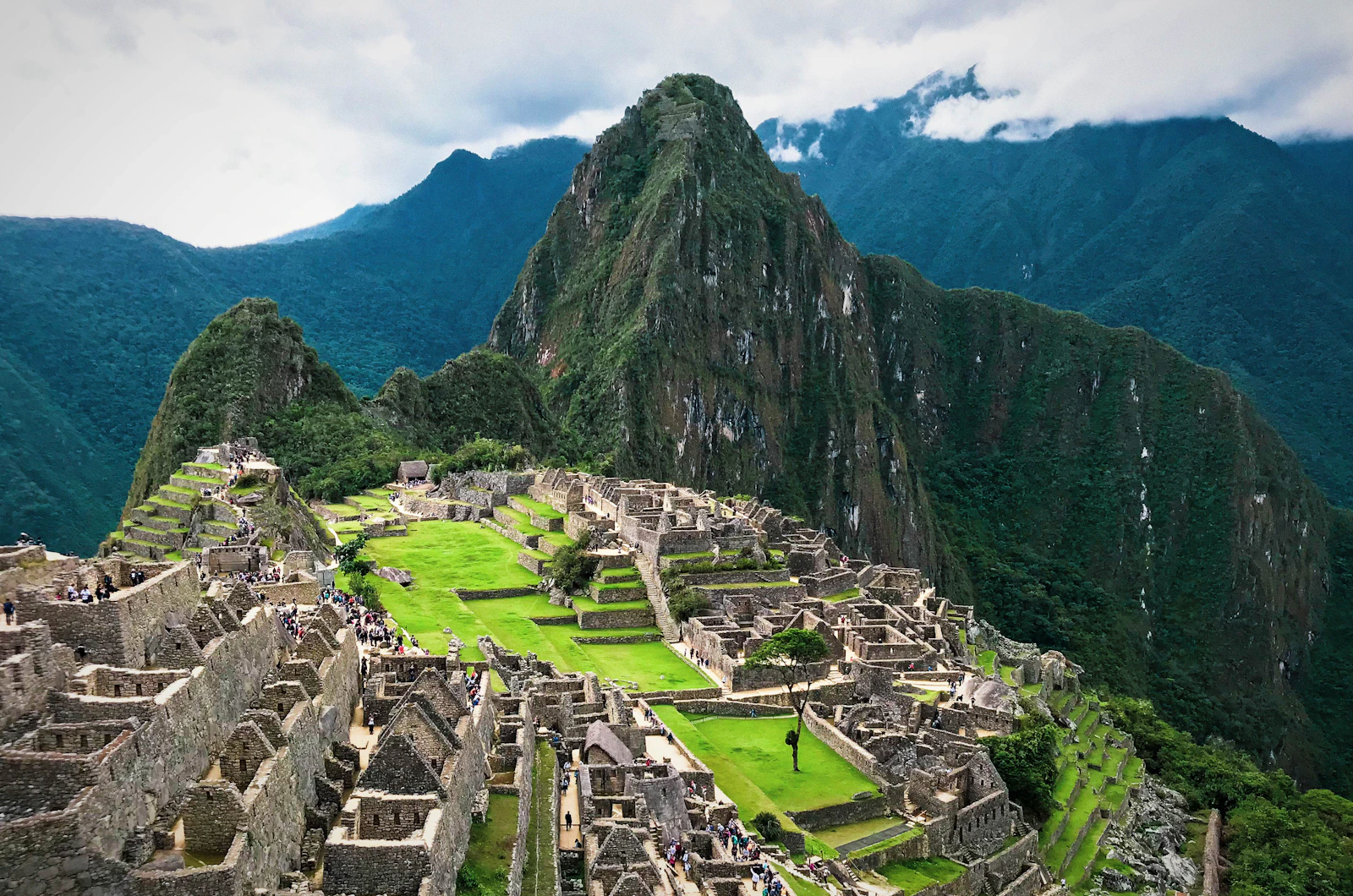
- Peru: Salkantay (5 days, 4,630 m pass), Inca Trail (4 days, 4,215 m). Acclimatization in Cusco is mandatory.
- Nepal: Annapurna Circuit (12-21 days, Thorong La pass at 5,416 m), Everest Base Camp (12-14 days, 5,364 m).
- Tanzania: Kilimanjaro (5,895 m, Machame route in 7 days to acclimatize, or Marangu in 5, riskier).
- Bolivia: South Lipez and Uyuni Salt Flats around 4,500 m.
Moderate altitude (below 3,000 m)
- Morocco: Toubkal (4,167 m summit, but a gradual climb accessible to trained beginners).
- Patagonia (Argentina / Chile): Torres del Paine (W or O circuit), El Chaltén at the foot of Fitz Roy.
- Iceland: Laugavegur, 60 km over 4 days between hot springs and lava deserts.
- Italy: Dolomites, Alta Via 1 (huts bookable from March for summer).
Blunt take: Kilimanjaro is a poor first 5,000-metre climb. The failure rate on the 5-day Marangu route tops 50% for lack of acclimatization, and turning back halfway is expensive. Pick Toubkal or a Nepali trek with built-in acclimatization stages.
Diving: spots by certification level
Your certification sets the depth you’re cleared for, and therefore the accessible sites. Open Water down to 18 m, Advanced to 30 m, Deep to 40 m. Always confirm with the dive center before booking a liveaboard.
- Indonesia: Raja Ampat, the densest marine biodiversity on the planet (advanced divers only, strong currents), Komodo for manta rays.
- Egypt: Red Sea, suitable for all levels, Dahab and Marsa Alam from OW certification, Brothers Islands by liveaboard for advanced divers.
- Mexico: Yucatán cenotes, technical cave diving, specific training required.
- Costa Rica: Cocos Island, 8-to-10-day liveaboard expeditions for hammerhead sharks, advanced level.
Non-negotiable safety rule: 24 hours minimum between your last dive and your flight (DAN/PADI guidance), to avoid decompression sickness. On a liveaboard that ends the day before your flight, build in a buffer day.
Surf and whitewater
Surfing can be learned anywhere, but the right spot depends on your paddling level and the season’s swell. A beginner at Nazaré in winter is a call to the rescue services.
- Portugal: Ericeira and Peniche to progress, Nazaré to watch the XL waves from November to February.
- Morocco: Taghazout and Imsouane, long right-handers ideal for intermediates, water at 18-20°C in winter.
- Indonesia: Bali, Canggu to start, Uluwatu and Padang Padang for advanced surfers only.
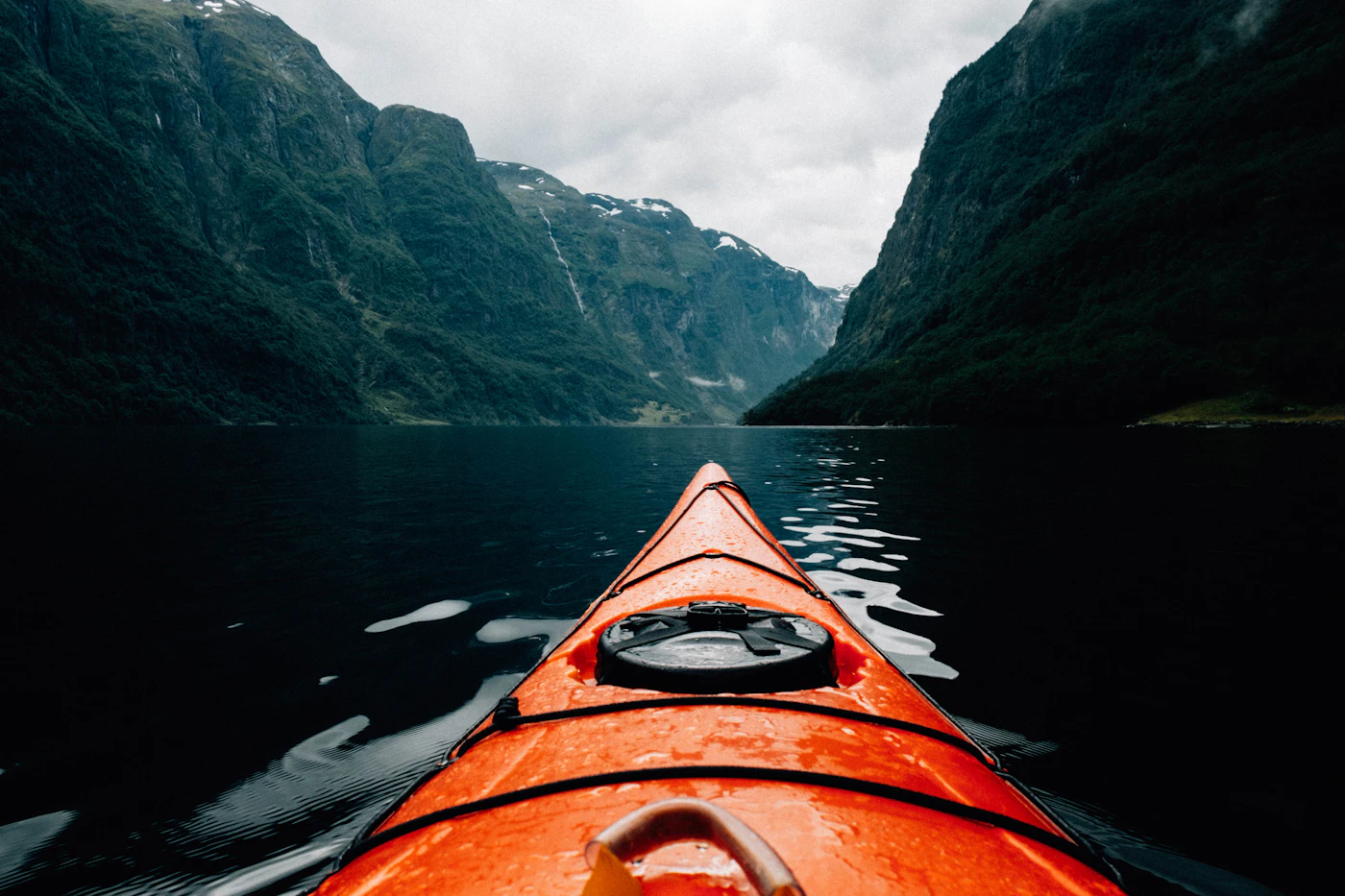
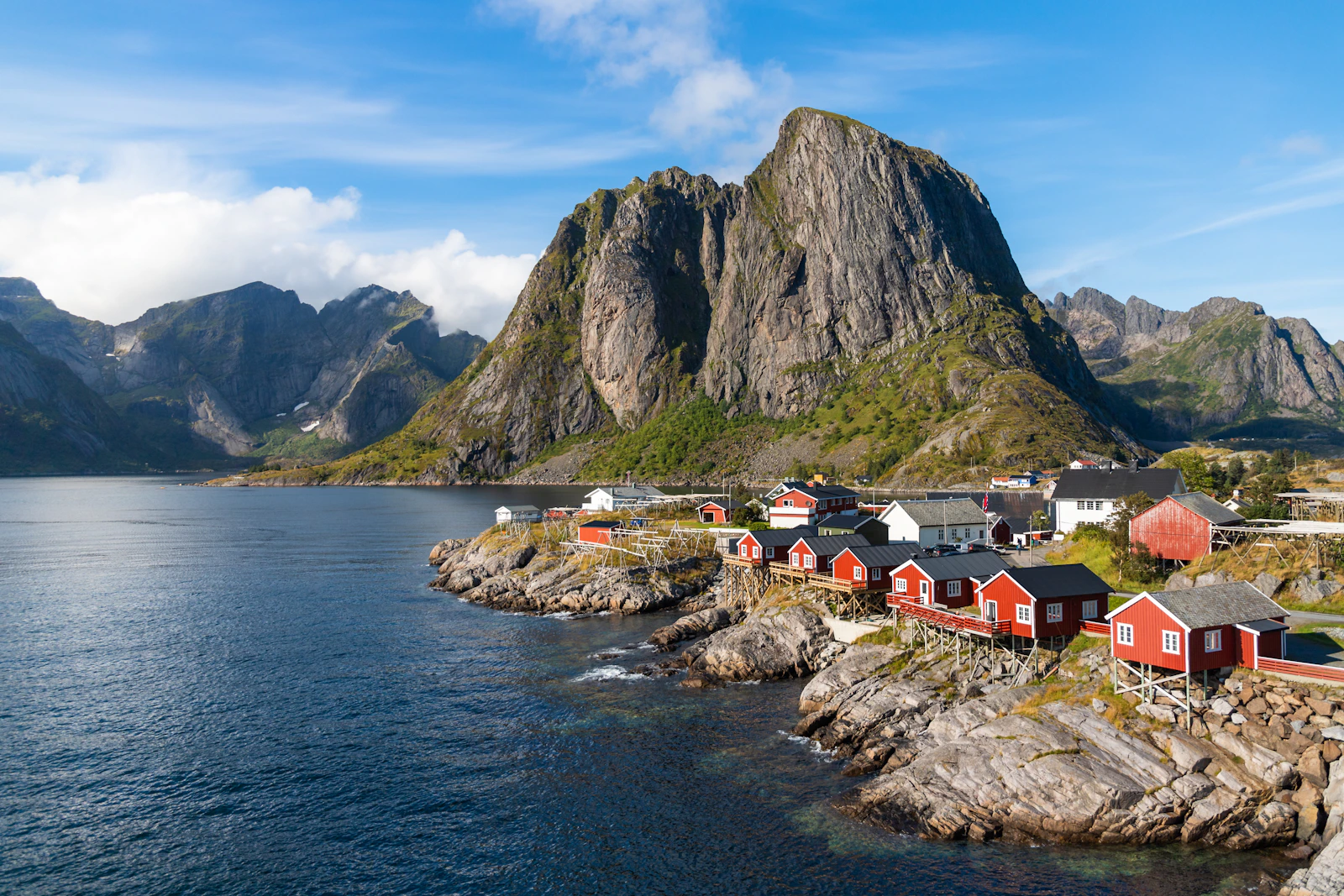
For multi-day kayaking and canoeing, Norway (Bergen fjords, Lofoten) and Canada (Yukon) offer the most demanding routes. Botswana’s Okavango Delta is paddled by mokoro, more contemplative than athletic.
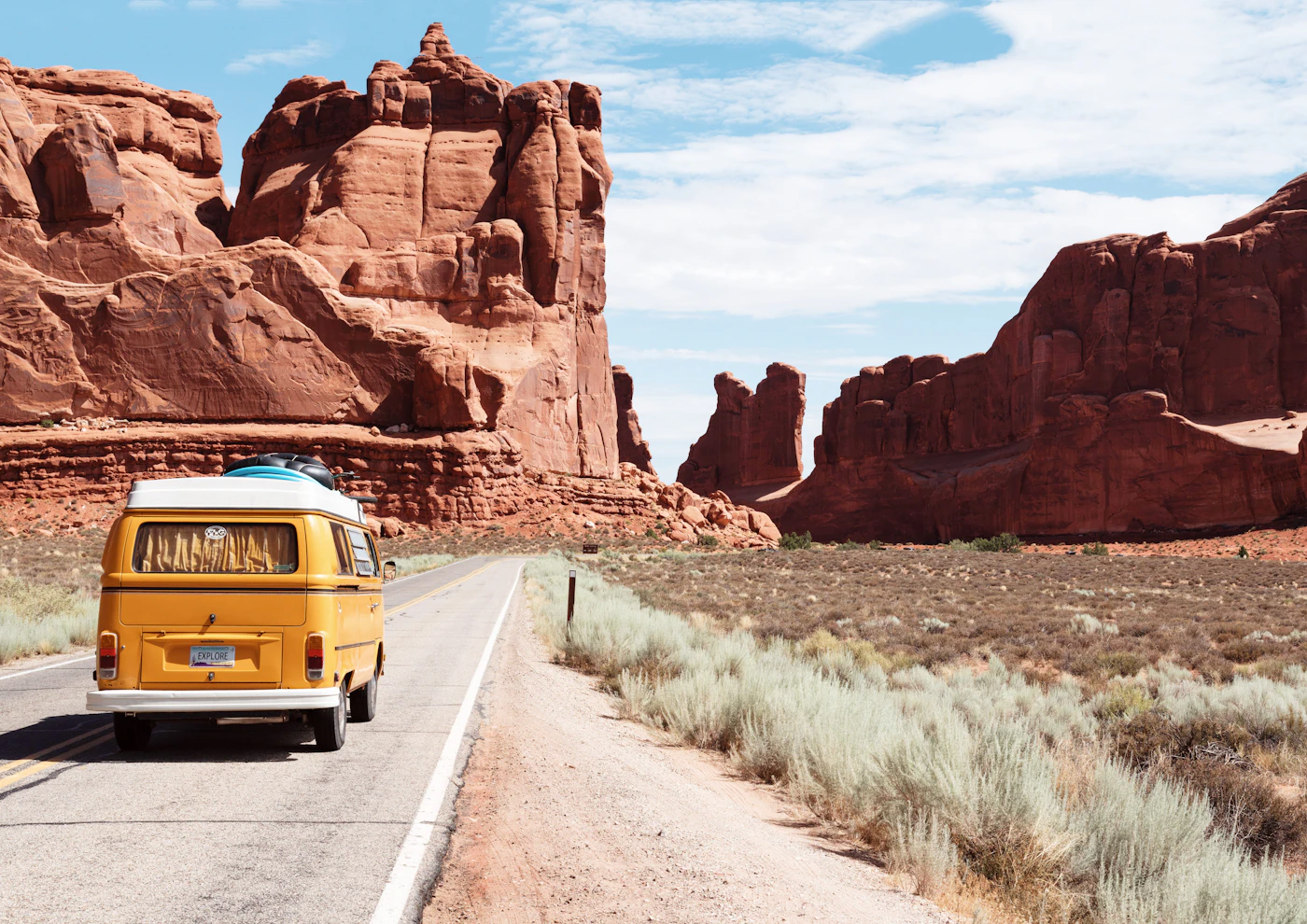
Road trip: tracks and 4WD
An adventure road trip isn’t judged by mileage but by self-sufficiency. Fuel, water, a spare tyre, days off-grid: logistics is the real sport.
| Route | Distance | Vehicle | Season | Difficulty |
|---|---|---|---|---|
| Iceland Highlands (F-roads) | Variable | 4WD required | Mid-June to mid-Sept | River fords, no signal |
| Australia outback | 1,000 km and up | 4WD + jerry cans | May-Sept | Distances, heat |
| Chile Carretera Austral | 1,240 km | Van or 4WD | Nov-Mar | Ferries, gravel |
| Namibia (Damaraland, Caprivi) | Variable | 4WD rooftop tent | May-Oct | Sand, autonomy |
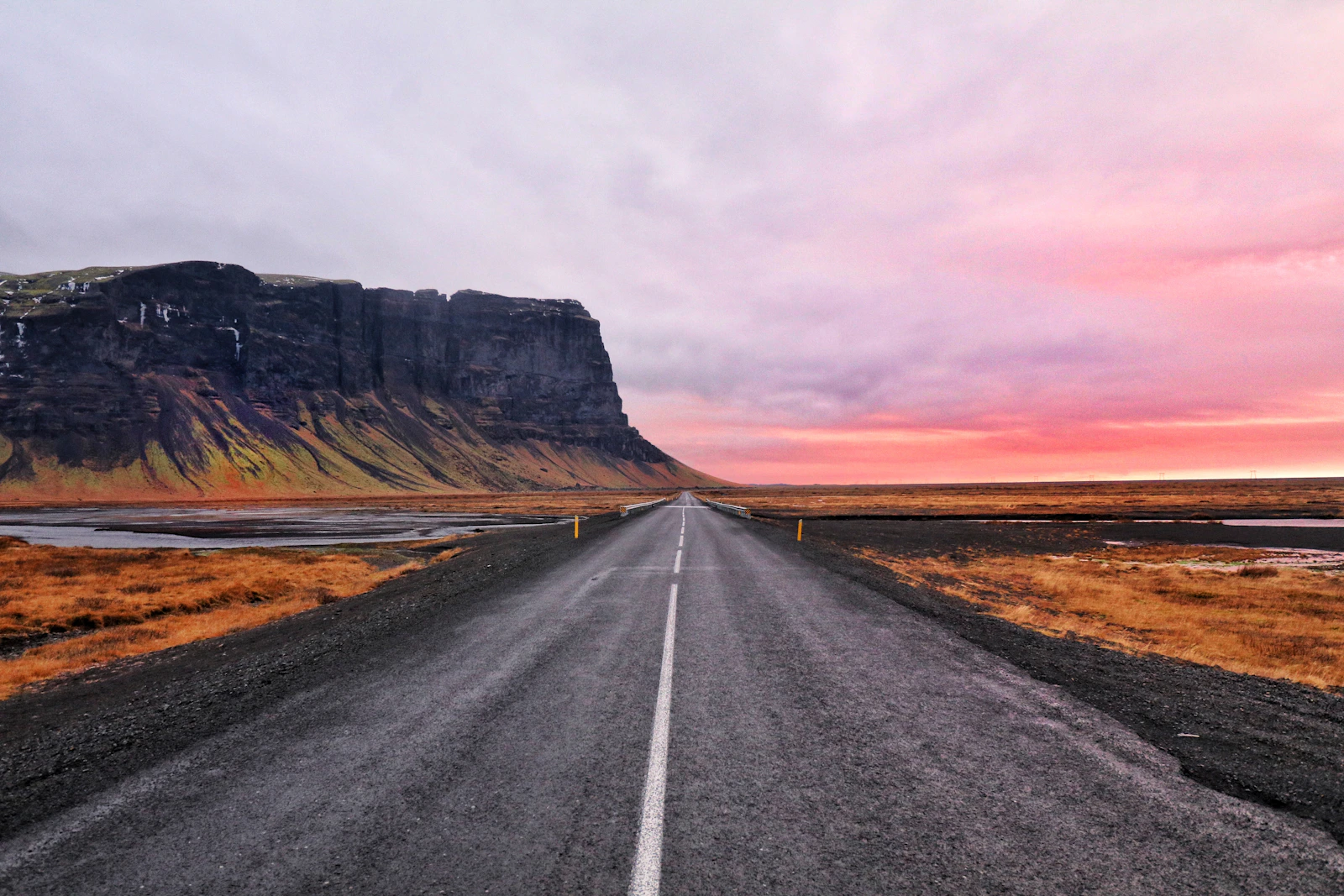
Iceland’s F-roads (F26 Sprengisandur, F35 Kjölur, F88 Askja) are off-limits to standard cars, and fording rivers is your liability: no policy covers a drowned engine. In Australia, plan for double the fuel you expect and never drive at night because of kangaroos.
Preparing your sports trip
Altitude trek
Acclimatization is not optional: 2 days minimum at Cusco (3,400 m) before the Inca Trail, 3 to 4 days of gradual stages before Nepali passes. Carry Diamox (acetazolamide, prescribed) and don’t wait for acute mountain sickness symptoms. A bag rated for -10°C rarely cuts it on the Annapurna, plan for -20°C. On insurance, demand explicit coverage for trekking above 3,500 m and helicopter repatriation above €1 million: that’s the line item that saves the day. Compare policies on our travel insurance comparator.
Diving
Your certification must be current, and specific dive insurance (DAN Europe, DiveAssure) comes on top of standard travel insurance: it covers the decompression chamber, which no standard policy pays for. Build up depth gradually, no deep dive on day 1.
Surf and road trip
For surf, no certification but lessons if you’re starting out, and a 4/3 mm wetsuit in the North Atlantic outside summer. For the road trip, book the 4WD three to four months ahead in high season (Iceland summer sells out), and download offline maps before you leave coverage.
Adventure travel FAQ
What exactly is adventure travel?
Adventure travel combines sustained physical effort, access to remote or wild zones, and a degree of unpredictability tied to nature. Trekking, expeditions, diving, off-road trips: the common thread is bodily commitment and weather dependency, as opposed to classic beach or cultural tourism.
Where should I go for a first trek?
Toubkal in Morocco (4,167 m, a gradual 2-to-3-day climb, short Paris-Marrakech flight) or Salkantay in Peru (5 days, reliable local guiding) are the best picks to start. Avoid Kilimanjaro and Everest Base Camp as a first altitude trek.
Where can I trek in winter?
From December to February, aim for the southern hemisphere or tropical high-altitude zones: Patagonia (Argentina, Chile) in full austral summer, low-altitude treks in northern India and Nepal, or Atlas summits in Morocco with snow gear.
What does an Annapurna trek cost?
Plan for €1,800 to €2,500 per person for 14 to 18 days, Paris-Kathmandu flight included, with lodges, a guide-porter and ACAP/TIMS permits. Personal gear and altitude trekking insurance are extra.
What insurance for diving or altitude trekking?
For diving, a DAN Europe membership (€90 to €180/year) covers the decompression chamber and medical evacuation, to stack with standard travel insurance. For trekking above 3,500 m, check for an explicit altitude clause and helicopter repatriation. Details on our travel insurance comparator.
Can you do adventure travel on a budget?
Yes. Morocco’s Atlas offers a 6-day guided trek for €400 to €600 excluding flight (Marrakech from €200 out of Paris). Vietnam’s Sapa region runs rice-paddy treks at €50-80/day with a guide. Georgia (Svaneti) stays unbeatable at €60/day, homestay included.
Do I need a guide or can I go alone?
For an experienced solo traveler outside risky seasons, self-organizing works in Asia, Peru and Patagonia. For a first adventure trip, a seasoned French agency (Allibert, La Balaguère, Atalante) secures the logistics. A guide is never optional on Kilimanjaro, in the Khumbu, on Cocos Island or in parts of the Sahara.
Continue elsewhere
Page written by Thomas B., 15 years of reporting on difficult destinations. Last updated: May 22, 2026.