The essentials
When to go to Tanzania, in brief
June to October: the sweet spot
Dry season. The vegetation thins, wildlife gathers at the waterholes, skies stay clear. The time for the best safaris.
Following the migration
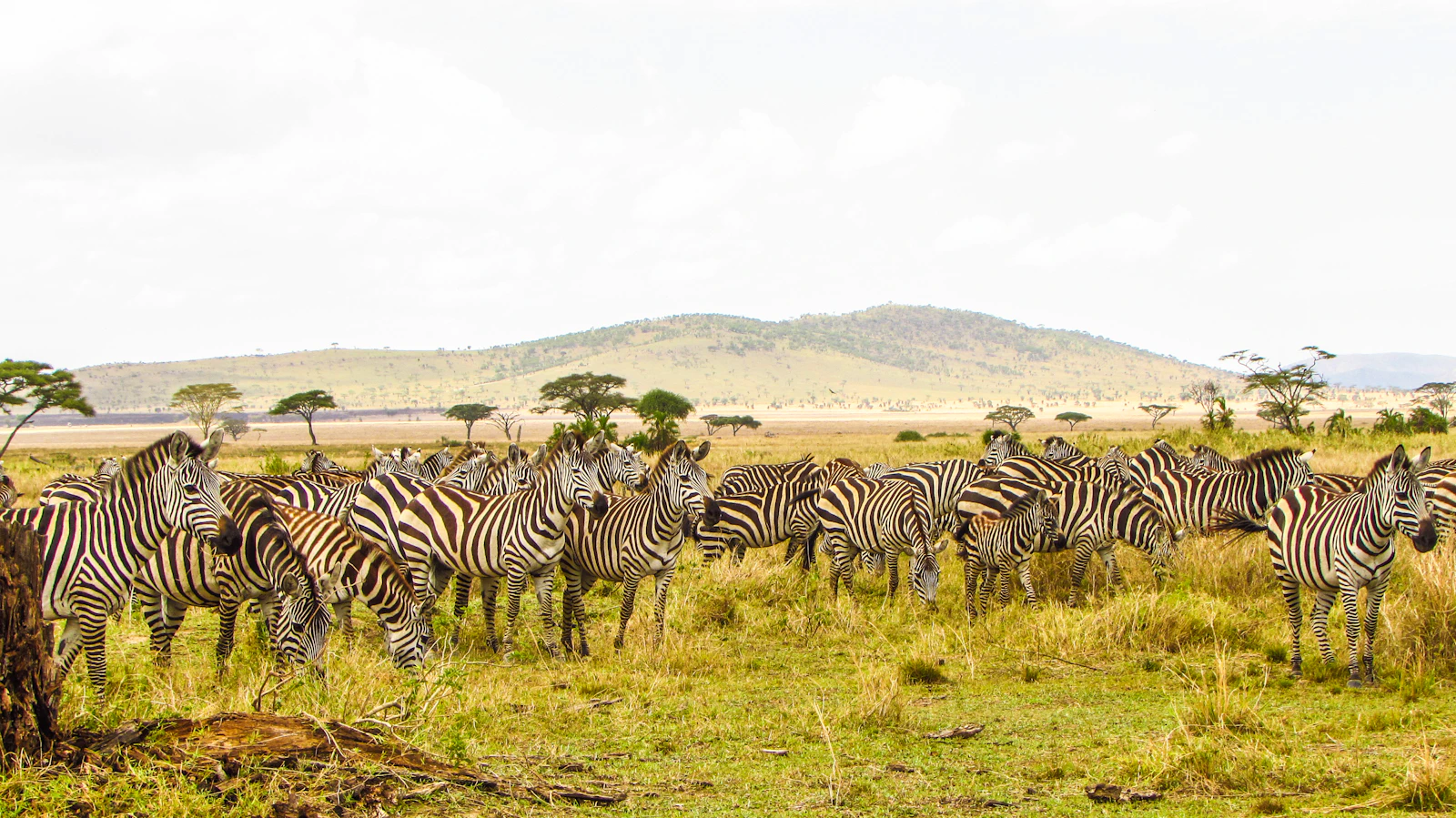
The Mara River crossings, in the northern Serengeti, happen July to September. Vehicles crowd in, but the sight is rare.
Calving in January-February
The southern Serengeti and Ndutu see the wildebeest calves born: predators in action and green plains, apart from the main migration.
March to May: the long rains
The heart of the wet season. It rains most days, rarely all day. The trade-off is low prices and green landscapes.
April: avoid for safari
The rain peak. Muddy tracks, some camps close, travel less reliable. Push back the trip if wildlife is your priority.
Kilimanjaro: aim for the dry
The climb is best June to October, and in January-February. Avoid March-May and November, wetter and slippery.
The verdict
The best periods
June - October
Dry season, concentrated wildlife, clear skies. Ideal to combine Serengeti, Ngorongoro and the Zanzibar beaches. Book 3 to 6 months ahead.
Dec - February
Short rains, calving in the southern Serengeti, green landscapes. A fine alternative, less crowded than the austral summer.
March - May
Long rains, tough tracks, camp closures. April is the worst month for a safari.
Month by month
The full calendar
Tap a month for the detailed guide: weather by region, where to go, festivals.
20-30°C
Calving, green
20-31°C
Calving, drier
20-30°C
Rains set in
19-28°C
Rain peak
18-27°C
Rains easing
15-26°C
Dry season, cool
14-25°C
Dry, Mara crossings
14-26°C
Dry, dense wildlife
15-27°C
Dry, late migration
17-29°C
Dry, heat rising
18-29°C
Short rains
19-30°C
Short rains, green
Climate
Climate by region
| Region | Dry season | Wet season | Verdict |
|---|---|---|---|
| Serengeti & Ngorongoro | June-Oct: 14-27°C, dry | March-May: long rains | Ideal June-Oct |
| Zanzibar & coast | June-Oct: 26-30°C, dry | March-May: monsoon, humid | Ideal June-Oct |
| Kilimanjaro (climb) | June-Oct & Jan-Feb: dry | March-May & Nov: snow, mud | Ideal June-Oct |
| South (Selous, Ruaha) | June-Oct: dry, hot | Nov-May: camps often closed | Ideal June-Oct |
Calendar
The key events of the year
Sauti za Busara
Stone Town's big African music festival. Four days of concerts in the Old Fort, in the relatively drier stretch.
🇹🇿 Zanzibar, Stone Town
Swahili Cuisine Festival
A showcase of the archipelago's flavors: spices, seafood, coastal dishes. In the heart of the dry season, ideal for the coast.
🇹🇿 Zanzibar
Bagamoyo Arts Festival
Music, dance and theater in the old coastal town, around the college of arts. Dry season, easy access.
🇹🇿 Bagamoyo
Mara River crossings
The highlight of the great migration: thousands of wildebeest cross the river in the northern Serengeti.
🇹🇿 Northern Serengeti
Our analysis
Tanzania comes down to one simple split: the dry season, June to October, versus the long rains of March to May. Between the two slip two shoulder seasons, each with its own appeal. It all depends on what you come for, wildlife or beaches.
The dry season, June to October
This is the prime window. The vegetation thins out, animals gather around the last waterholes and spotting them becomes easy. Afternoons hover around 25°C, but morning game drives in open vehicles are cold: pack a fleece. On Zanzibar, the coast enjoys the same clear sky, with 26 to 30°C and a calm sea.
July to September concentrate the Mara River crossings, in the northern Serengeti. The sight is rare, but vehicles crowd in: aim for early departures.
The calving, in January-February
Few travelers know it: the great migration is not just about the crossings. From late January to February, the southern Serengeti and the Ndutu plain see thousands of wildebeest calves born, which draws the predators. The rains are then short, the plains green and the camps less full. An excellent alternative to the austral summer.
The long-rains trap
From March to May, avoid the safari if you can. April is the worst month: it rains most days, tracks turn to mud and some camps close. The trade-off is plunging prices and deep-green landscapes. For a first trip centered on wildlife, better to shift your dates.
FAQ
Frequently asked questions
When is the best time to visit Tanzania? +
From June to October: dry season, clear skies, around 25°C in the afternoon and wildlife gathered at the waterholes. It is the prime window for safari and beaches.
When can you see the great migration in the Serengeti? +
The Mara River crossings happen July to September, in the north of the park. The calving, meanwhile, concentrates in January-February in the south (Ndutu).
What is the worst time for a safari in Tanzania? +
April, at the peak of the long rains: muddy tracks, less reliable travel and some camps closed. March and May stay wet.
When to visit Zanzibar? +
From June to October, in the dry season: 26-30°C, calm sea, low humidity. Avoid March to May, the heart of the monsoon on the coast.
When to climb Kilimanjaro? +
Mostly from June to October, and in January-February: more stable skies and less slippery trails. Avoid March-May and November, wetter months.
Do you need to book far ahead? +
For the dry season (July-September), yes: Serengeti camps and lodges sell out fast, book three to six months ahead.
Marie Laurent · Southeast Asia specialist
Updated June 1, 2026
Go further
Plan your trip to Tanzania
Itineraries