Magazine · Practical
What to pack in your suitcase: full checklist by category (documents, clothes, toiletries, electronics, health). Common mistakes and space-saving tips.
A good suitcase isn't measured by what it holds, but by what it never needed to hold. Most travellers pack 30 to 40% of things they'll never touch, then buy on arrival what they forgot. This checklist works the other way round: the minimum that covers 95% of situations.
It's organised by category (documents, clothes by climate, toiletries, electronics, health, cabin essentials) and ends with the mistakes that cost you and the tricks that save space. Adjust it to your trip length and destination.
In short: for a one- to two-week trip, aim for a bag that holds your documents (passport, cards, bookings), 5 to 7 mix-and-match outfits, a cabin-size wash bag, your electronics with cables and adapters, a mini first-aid kit, and a carry-on with survival basics in case your checked bag goes missing. The rest you can buy on the spot.
The rule that changes everything: lay out everything you think you’ll pack on the bed, then remove half the clothes and double the cash. After twelve years packing and repacking bags between Bangkok, Hanoi and Tokyo, it’s the one tip I repeat before every departure. You always travel better light.
Here’s the full checklist, category by category.
This is the only category you can’t replace. A forgotten t-shirt is a ten-minute problem; a forgotten passport ends the trip. Check these before anything else:
A tip from experience: I photograph every document and email the lot to myself. A bag theft in Ho Chi Minh City in 2024 cost me one hour at the consulate, not three days, thanks to that.
The number-one mistake is packing outfits that don’t work together. Pick a palette of two or three neutral colours: everything pairs with everything, and a weather surprise doesn’t kill a whole outfit.
For a hot climate (Southeast Asia, tropics, above 28°C / 82°F):
For a temperate climate (Europe, spring or autumn, 12 to 22°C / 54 to 72°F):
For a cold climate (mountains, winter, below 5°C / 41°F):
To match your wardrobe to reality, check the month-by-month weather for your country on our destination pages before you close the bag. The same November calls for radically different bags for Morocco and for Japan.
The classic trap: leaving with full bottles for two weeks when 60% ends up in the bin on your return. Switch to small containers and solid formats, which don’t count towards the 100 ml cabin limit.
Useful reminder: in the cabin, all liquids must fit in containers of 100 ml maximum, grouped in a one-litre transparent bag. Solid formats bypass this rule entirely.
Check the plug type before you go: the UK, South Africa and India use standards that a basic Europe adapter doesn’t cover.
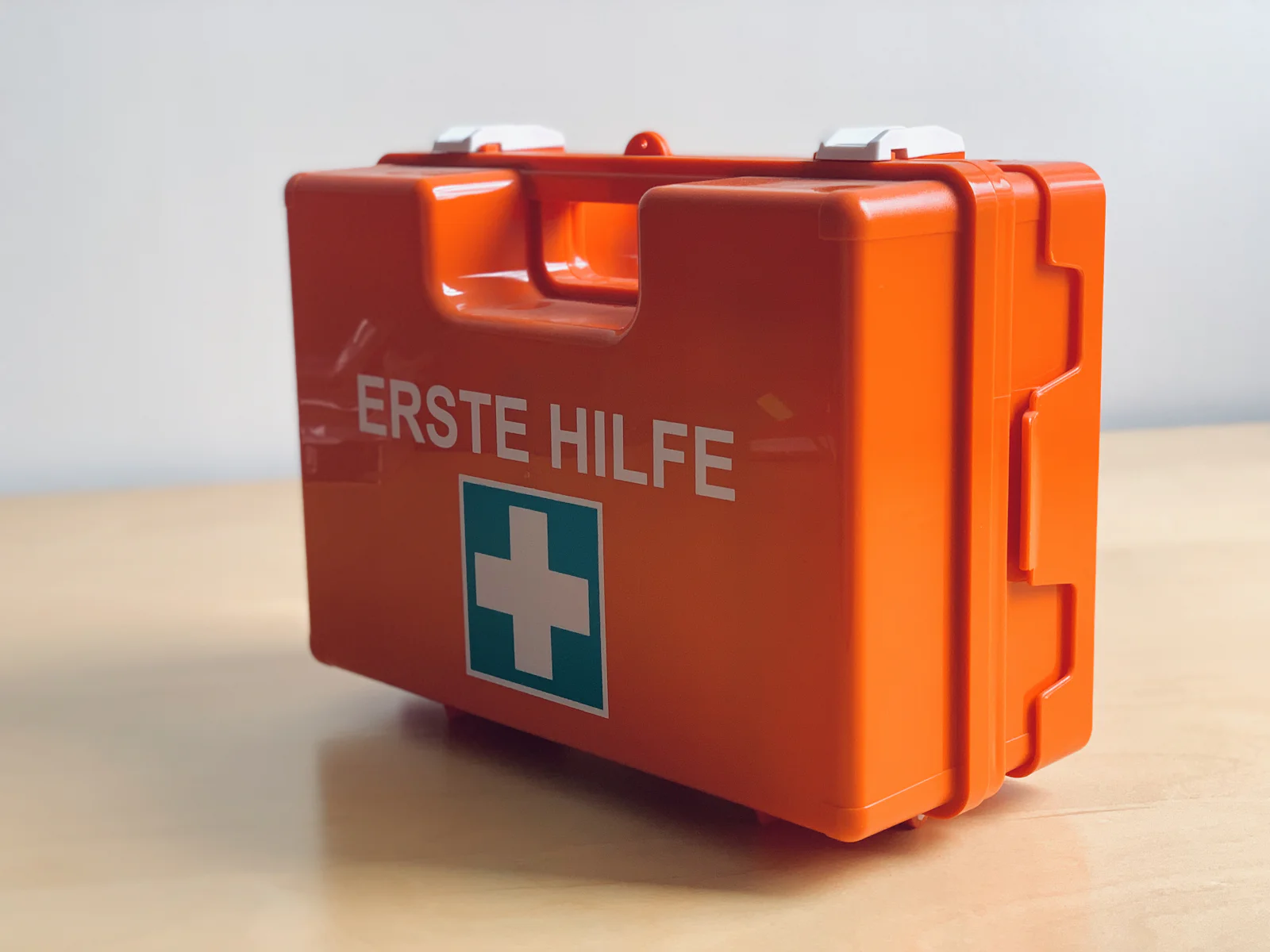
A mini kit covers most cases: plasters, a painkiller, an anti-diarrhoea medication, an antiseptic, mosquito repellent, and your personal medicines in their original box with the prescription. The full breakdown, adaptations by destination, and the rules for carrying medication on a plane are in our dedicated guide: travel first-aid kit.
Important point: keep all your personal treatments in your carry-on. The hold isn’t heated and the cold can alter some medicines.
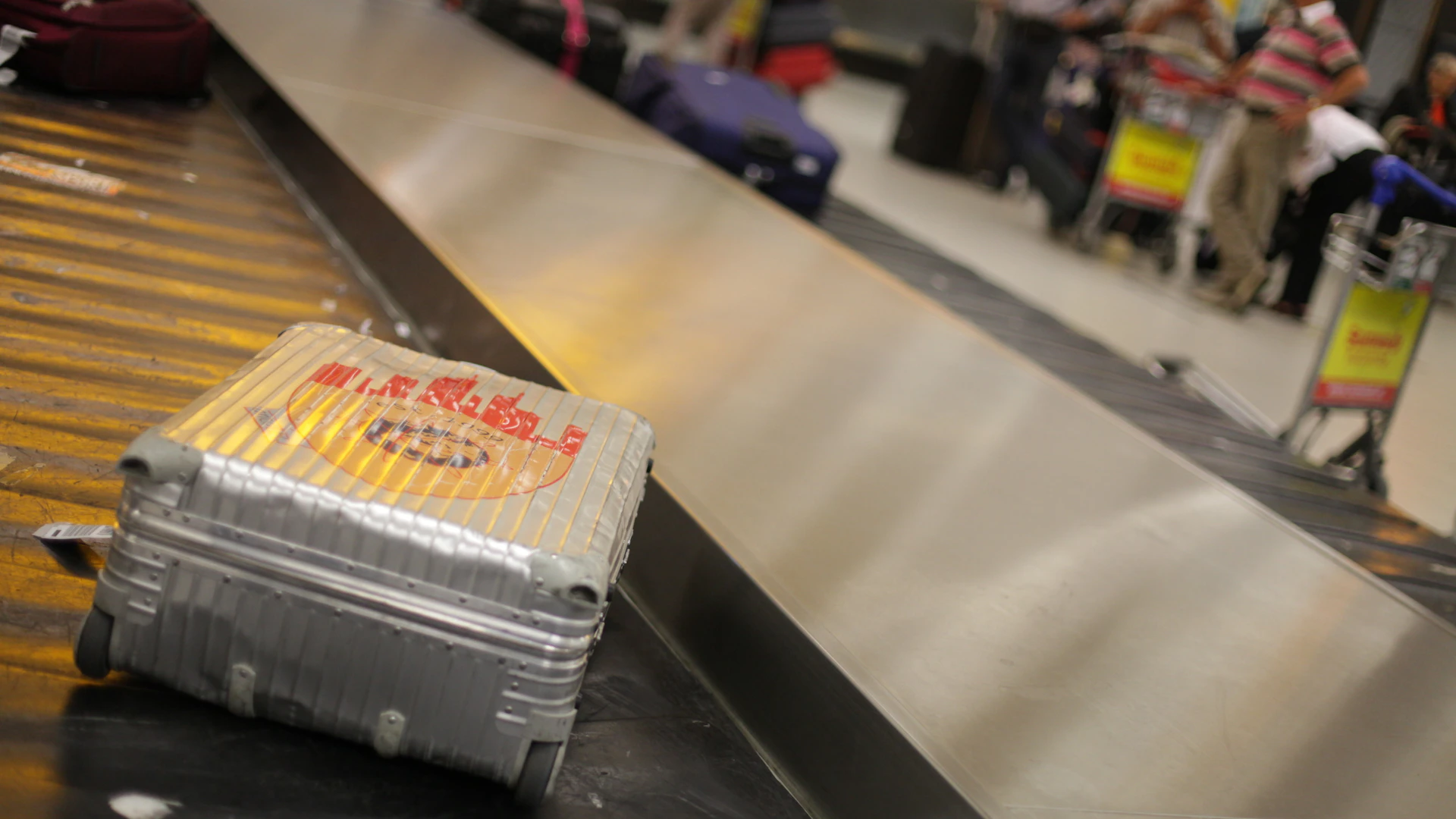
Roughly one bag in a hundred goes missing or is delayed. Pack your carry-on to last 24 to 48 hours without the checked bag:
The day your suitcase arrives at the hotel a day late, this bag makes all the difference. For the exact dimensions allowed by your airline, see our cabin baggage guide.
Rolling rather than folding saves space and limits creases: tightly rolled clothes take up to 30% less volume. Compression bags (air pushed out) help with bulky items like fleeces and down jackets, less so with light laundry.
Use packing cubes to separate by category: tops, bottoms, underwear. You find everything in three seconds and unpack less often. Slide socks and underwear into your shoes so you don’t lose that space. And always leave 20% of the case empty on departure: that’s the room for souvenirs and things you buy on the way back.
Documents and money first: a passport valid for 6 months, a visa if needed, two bank cards stored separately, cash, and your bookings saved offline. That’s the only category you can’t replace. The rest can be bought on the spot.
Count on 5 to 7 tops, 2 to 3 bottoms, and a palette of two or three neutral colours so everything combines. It’s better to plan a mid-trip laundry than to double your wardrobe. A machine or a laundromat costs a few euros almost everywhere.
It’s better to keep all medication in your carry-on. The hold isn’t heated and the cold can alter some treatments. Keep them in their original box with the prescription, especially for regular treatments.
Rolling tightly saves up to 30% of volume and limits creases on soft fabrics. Fold structured clothes instead (shirts, jackets) that crease when rolled. Packing cubes help keep everything organised whichever method you use.
In the cabin, each liquid must fit in a container of 100 ml maximum, all grouped in a one-litre transparent bag. Solid soaps and shampoos don’t count towards this limit and are a good way around it.
Written by Marie L., editor-in-chief of L’Heure du Voyage. Last updated: 8 July 2026.
Marie L. ✓
·Southeast Asia specialist
Southeast Asia specialist.