L'Heure du Voyage

Inspirations · Northern lights · 2026

Where to see the northern lights: the best spots and the right season

Where to see the northern lights in 2026: Tromsø, Abisko, Lapland, Yellowknife, Iceland, Lofoten. Best season, probability, budget and KP index tips.

By Thomas B.
· 11 min read · Updated June 15, 2026

To see the northern lights, head for a destination under the auroral oval (between 65° and 70° north), from late September to late March, on a clear night far from city lights. The nine most reliable spots are Tromsø and the Lofoten Islands in Norway, Abisko in Sweden, Finnish Lapland, Iceland, the Yukon and Yellowknife in Canada, Greenland and Svalbard. Plan at least 3 nights to push your odds beyond 80%.

Good news for 2026: Solar Cycle 25's maximum passed in October 2024, but the declining phase remains very active and scientists expect a double peak that extends the window for intense auroras throughout 2026. It is one of the best years in a decade to witness the phenomenon.

This ranking rests on three criteria: real viewing probability over 3 nights, local weather (overcast skies cancel everything), and ease of access from Europe. No destination paid to be featured here.

1

Norway · Arctic

Tromsø

The world capital of aurora hunting. Located at 69° north, right in the heart of the auroral oval, with an international airport and tours running every evening from September to April. High probability, unbeatable logistics. The Gulf Stream softens temperatures (rarely below -10°C), but the cloudy coastal sky remains the main enemy.

🌡️ Mid-Sep to Apr · 📊 High probability (3 nights) · 💰 From €1,200/week
Read Norway guide →
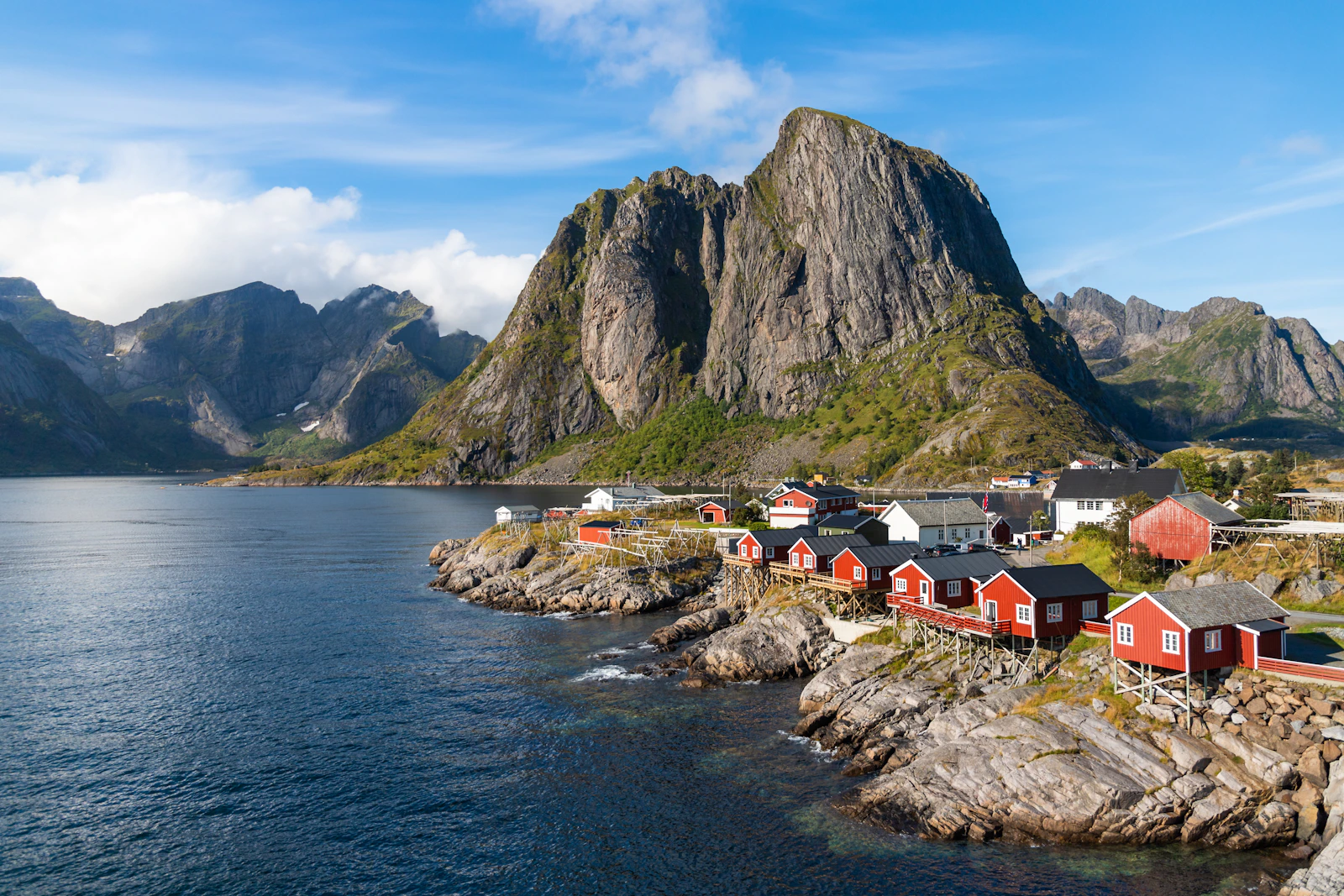
Reine village in the Lofoten islands, fjord and red cabins at the foot of the mountains
2

Sweden · National park

Abisko

The clearest aurora sky in Europe. The village sits in a rain shadow of Lake Torneträsk, creating a dry microclimate and clear skies even when all of Lapland is overcast. Around 80% odds over 3 nights. The Aurora Sky Station, reached by chairlift, offers one of the purest viewpoints in the world.

🌡️ Late Sep to Mar · 📊 ~80% (3 nights) · 💰 From €1,100/week
3

Finland · Lapland

Finnish Lapland (Rovaniemi, Kakslauttanen)

The comfortable aurora. Rovaniemi (Arctic Circle) and Kakslauttanen further north offer the famous glass igloos where you watch the sky from your bed. About 200 aurora nights a year in the far north. Easy to combine with husky sledding, snowmobiling and Santa's village for families.

🌡️ Sep to Mar · 📊 ~150-200 nights/yr · 💰 From €1,400/week
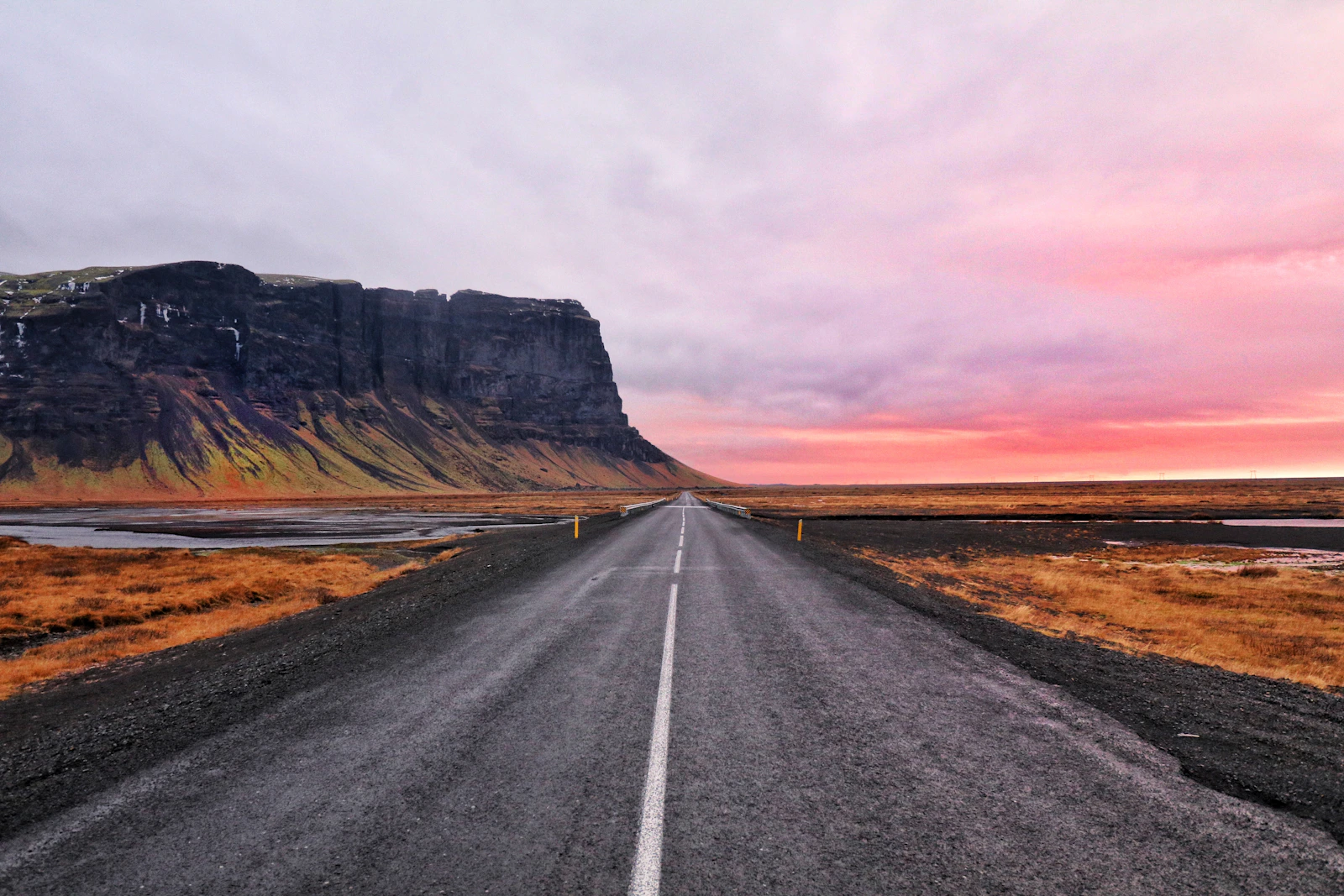
Empty road winding through Icelandic volcanic landscape under a shifting sky
4

Iceland · Ring of fire

Iceland (Reykjavik and north)

The aurora with a volcanic backdrop. The whole island sits under the auroral oval and you can leave Reykjavik in 30 minutes to find darkness. The north (Akureyri, Lake Mývatn) offers steadier skies than the often-cloudy south coast. A 3h30 direct flight from Paris makes it the most accessible spot on the list.

🌡️ Mid-Sep to Apr · ✈️ ~3h30 direct Paris · 💰 From €1,500/week
Read Iceland guide →

And 5 other reference spots

5

Norway · Arctic islands

Lofoten Islands

The aurora above jagged peaks and white-sand beaches. Reine, Hamnøy and Uttakleiv are among the most photographed foregrounds in the world. Fewer organized tours than Tromsø, more freedom by car.

🌡️ Sep to Apr💰 From €1,300/week
6

Canada · Northwest Territories

Yellowknife

Record-high probability. Sitting under the auroral oval with a very dry continental climate, the town advertises up to 98% odds of viewing over a 3-night stay, per the local tourism board. Extreme cold in return (-25°C in January).

🌡️ Mid-Aug to Apr📊 up to 98% (3 nights)💰 From €2,800
7

Canada · Far north

Yukon (Whitehorse)

The wild aurora. Dark skies, Takhini hot springs to watch while soaking in 38°C water, abundant wildlife. More intimate than Yellowknife, ideal as part of a northern road trip.

🌡️ Sep to Apr💰 From €2,600
8

Greenland · East and south coast

Greenland (Kangerlussuaq)

The raw aurora, far from everything. Kangerlussuaq enjoys clear skies nearly 300 nights a year thanks to its dry inland climate. Demanding logistics and a high budget, but a crowd-free experience.

🌡️ Sep to Apr💰 From €3,500
9

Norway · 78° north

Svalbard

The only inhabited place where you can see the aurora in daytime. The polar night (mid-November to late January) plunges the archipelago into total 24-hour darkness, allowing sightings even in the afternoon. For adventurers only.

🌡️ Nov to Feb (polar night)💰 From €2,400

Quick recap

Spot Country Best season Probability / budget
Tromsø Norway Mid-Sep to Apr High · from €1,200
Abisko Sweden Late Sep to Mar ~80% · from €1,100
Finnish Lapland Finland Sep to Mar ~200 nights/yr · from €1,400
Iceland Iceland Mid-Sep to Apr Direct flight · from €1,500
Lofoten Norway Sep to Apr Unique scenery · from €1,300
Yellowknife Canada Mid-Aug to Apr up to 98% · from €2,800

Thomas B.

·

Geographer & traveler

Geographer and traveler.

View profile →

See also

All magazine →