Magazine · Practical
WWOOFing in 2026: membership around €25-45/year, board and lodging for 4-5 hours of daily help on an organic farm. How it works, budget, countries, legal rules.
WWOOFing means free board and lodging on an organic farm in exchange for a few hours of help each day. You join the national network of the country you visit (roughly €25 to €45 a year), contact hosts, and agree on a stay together. No wage, no invoice: a structured exchange that is neither regular tourism nor a job.
The acronym stands for World Wide Opportunities on Organic Farms. The movement began in England in 1971 and now runs networks in more than 130 countries. Each national association keeps a host directory open only to its members.
In short: WWOOFing gives you free board and lodging with an organic producer in exchange for 4 to 5 hours of help a day, roughly 5 days out of 7. You join the national network (€25 to €45 a year), then arrange everything directly with the host. It is not a job, and no money changes hands between you.
The idea fits in one sentence: you lend a hand on the farm, the host feeds and houses you. I spent a week with a market gardener in the Ardèche in April 2025, weeding in the morning, free time in the afternoon. Here is how it actually works, who it suits, and what to check before you go.
WWOOFing connects travelers with organic farms for an unpaid work-exchange stay. The host provides board and lodging, the WWOOFer gives time on farm tasks.
The work varies by farm and season: sowing, harvesting, weeding, animal care, cheese-making, straw-bale building, tending an orchard. Some farms want hands for the grape harvest, others to run a market stall. The common thread is organic farming or a clear ecological approach.
This is not humanitarian volunteering or a disguised summer job. It is an exchange of skills and time, with no financial transaction.
Access to farms runs through a paid membership to the network of the country you visit, which unlocks the host directory.
The usual rhythm is 4 to 5 hours of help a day, 5 days out of 7, but nothing is fixed: each host sets their own expectations, to be settled before you arrive.
The only mandatory cost is the annual membership, which generally sits between €25 and €45 depending on the country and the plan.
In France, membership runs around €25 for one person, with a reduced per-person Duo rate for two travelers. WWOOF France receives no subsidy: membership fees fund the directory and support for small farms, according to WWOOF France. Each national network sets its own fee, between €20 and €50 depending on the country, according to the international WWOOF network.
You still cover transport to the farm, travel insurance, and personal spending (outings, local transport, extras). On site, lodging and meals are included. A week of WWOOFing can cost almost nothing once you arrive, which makes it a formidable option for tight budgets.
WWOOFing suits anyone willing to work physically and live at a farm’s pace. This is not a comfort holiday.
It works well for students on a gap year, long-haul travelers who want to catch their breath between stops, people changing careers who are curious about farming, or simply the curious who want to learn to bake bread or prune a vine. English is enough in most countries, though a little local language always helps.
It is a poor fit if you avoid physical effort, want a light schedule, or expect a hotel room with strong wifi. Farms are often remote, the connection patchy, comfort variable. A WWOOFer who shows up expecting a resort will leave disappointed, and so will the host.
WWOOFing is limited to organic farms, while Workaway and HelpX cover a far wider range of hosts and missions.
To stay in the farming and organic world, WWOOF remains the reference. To vary the missions (a city hostel, a permaculture project, animal-sitting), Workaway opens a wider range. Many long-haul travelers take both.
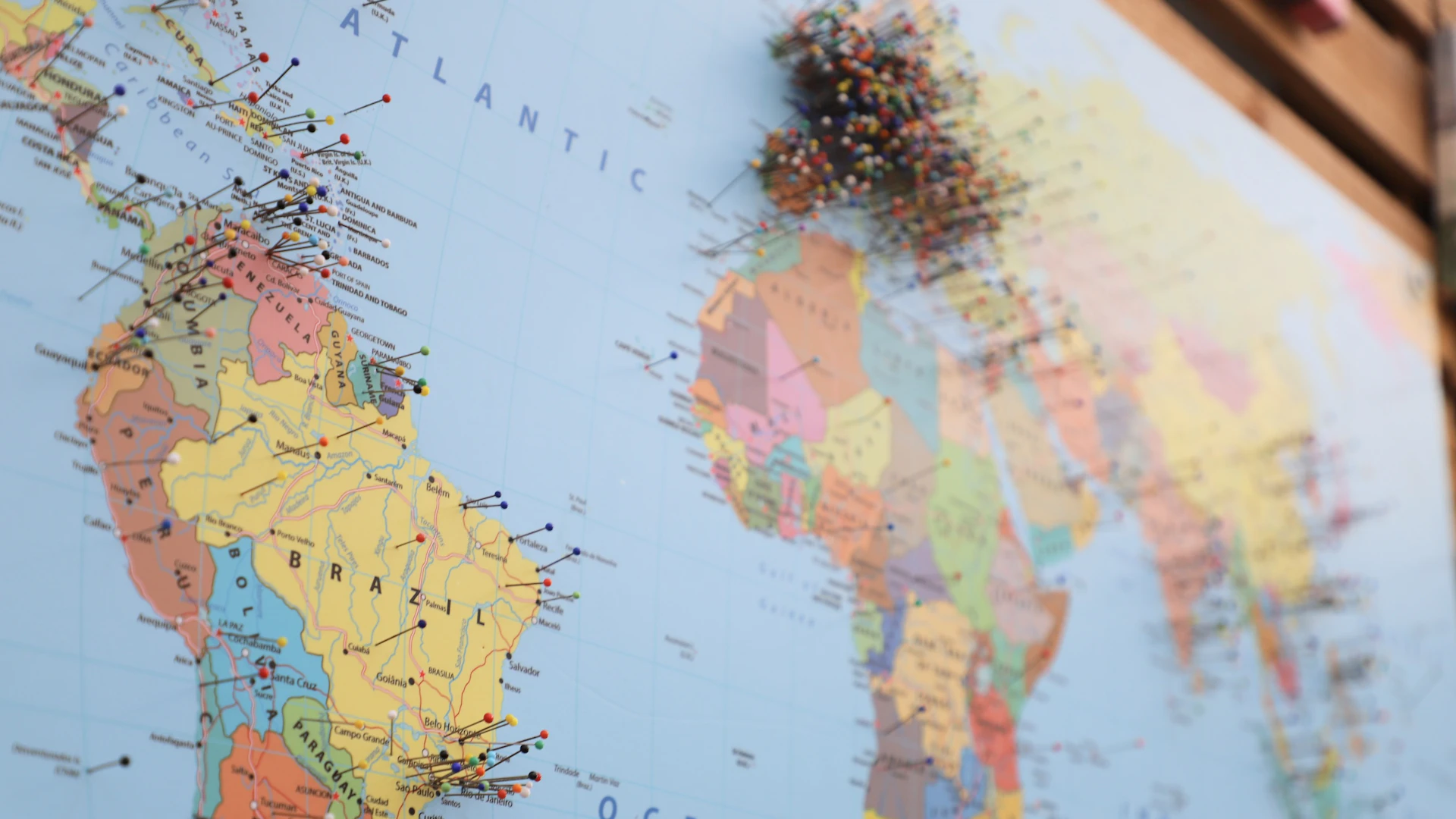
WWOOFing exists in more than 130 countries, each with its own national network and directory.
The flagship destinations: France, Italy, Spain, Portugal in Europe. Australia and New Zealand, very popular with working-holiday travelers. Japan and South Korea in Asia. Canada, the United States, and much of Latin America. Each country requires its own membership; there is no single worldwide WWOOF card.
One practical point people often miss: since each national network is independent, doing six countries in a year can quickly add up in stacked memberships. On a long multi-country trip, compare it with Workaway’s single worldwide membership.
WWOOFing is not an employment contract: it is a non-commercial exchange, which has direct consequences for your visa and insurance.
Legally, the exchange rests on the absence of pay and of an employer-employee relationship. In France, WWOOF France frames this through a charter that both host and WWOOFer accept. Abroad, the nuance matters for immigration.
Honestly, the visa part is the one travelers neglect most, and that is exactly where it goes wrong at the border. A ten-minute check on the consulate’s website saves you a turnaround at the airport.
Almost. The only required cost is the annual membership to the national network, between €25 and €45 depending on the country. Once on the farm, lodging and meals are covered by the host. You still pay for transport, insurance and personal spending.
The common rhythm is 4 to 5 hours a day, roughly 5 days out of 7. Each host sets their expectations, to be agreed before you arrive. Some farms ask for more during peak harvest, others less.
No. Most hosts welcome beginners and teach the tasks on site. Motivation, punctuality and respect for the place matter more than technical skill. A minimum of physical fitness helps, since the work is often manual.
Yes, some farms welcome families, but not all are suited to it. Filter the directory by that criterion and talk it through openly with the host before booking. The rhythm and tasks will need to account for children being present.
WWOOFing is limited to organic farms and requires a membership per country. Workaway covers far more missions (hostels, associations, families) with a single worldwide membership of around $49 a year. For a long multi-country trip, Workaway often works out cheaper overall.
Written by Marie L. Last updated: July 6, 2026.
Marie L. ✓
·Southeast Asia specialist
Southeast Asia specialist.