The essentials
When to go to Canada, in brief
June to September: the warm season
Mild summers, 20-26°C, long days. Toronto, Montreal, Vancouver and the Rockies are at their best. It is also high season.
Late September-October for fall
Indian summer sets Quebec, Ontario and the Maritimes ablaze in red and gold. Peak color around mid-October, crowds easing.
Rockies in September
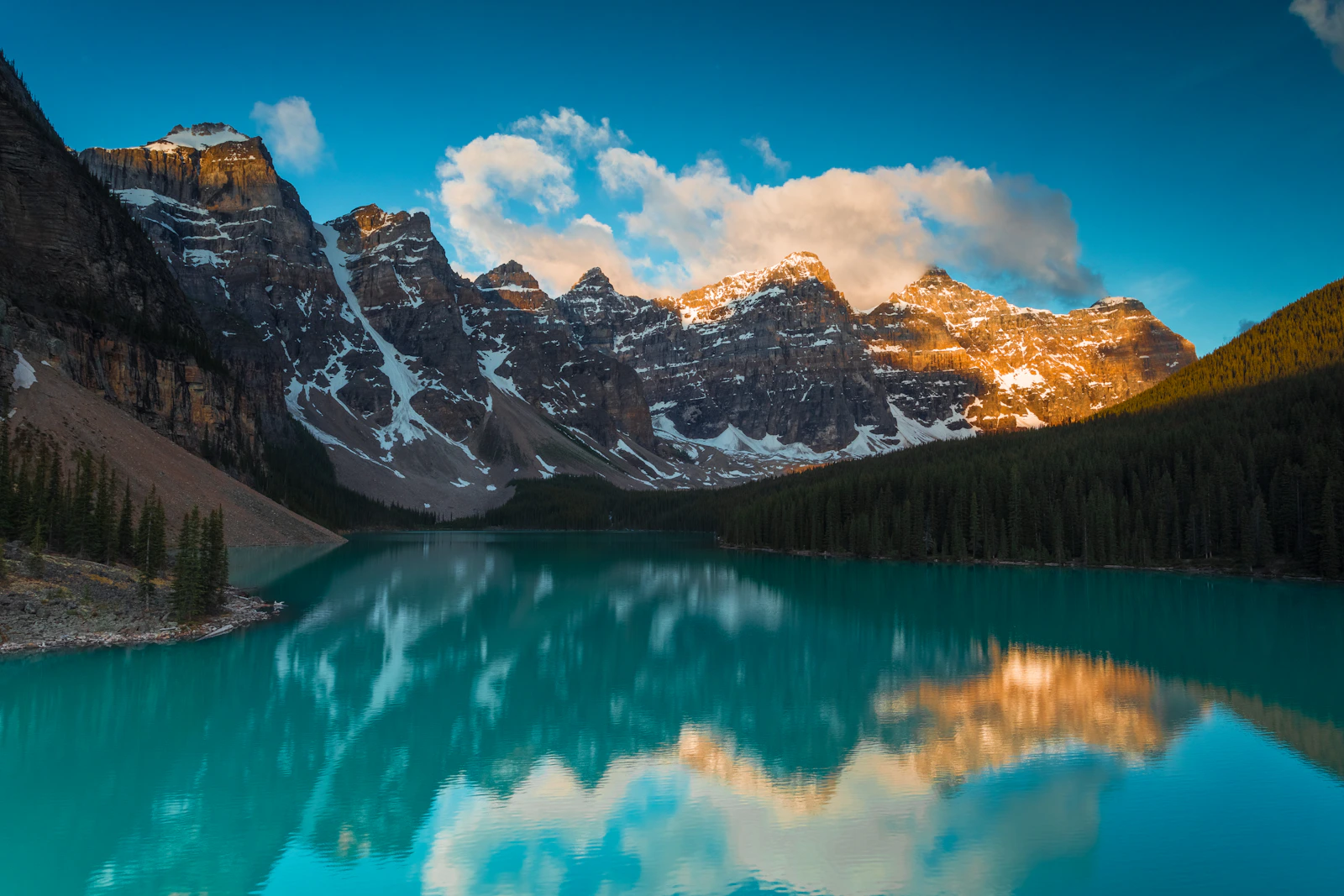
Banff, Jasper and Lake Louise are stunning in early September: turquoise lakes, first snow on the peaks, fewer people than in July.
December to April for skiing
Whistler, Banff and Tremblant offer quality snow. Frozen Lake Louise, sleigh rides and snowshoeing. Dry cold, bring the gear.
Northern lights in winter
From November to March, dark clear skies in the Yukon and the Territories. Yellowknife is one of the best spots in the country.
Wildlife in spring and summer
Bears, whales and belugas from May to October. Tadoussac for whales (June-October), Churchill for polar bears (Oct-Nov).
The verdict
The best periods
June - September
The best window for cities, the Rockies and wildlife. Late September-October for the colors. Book parks early in July-August.
Dec - April
Season for skiing, northern lights and winter festivals (Quebec Carnival). Biting cold, but dry and bright. Warm gear essential.
April-May & Nov
Wet shoulder seasons: slush, muddy trails, some activities closed. Many park sites only open in June.
Month by month
The full calendar
Tap a month for the detailed guide: weather by region, where to go, festivals.
-10 to -5°C (south)
Skiing, lights, dry cold
-8 to -3°C
Skiing, Quebec Carnival
-4 to 4°C
Late ski, sugar shack
3 to 12°C
Thaw, muddy trails
10 to 18°C
Spring, parks opening
15 to 24°C
Mild, few crowds
20 to 28°C
Hot, high season
19 to 27°C
Hot, festivals
12 to 22°C
Mild, colors starting
6 to 15°C
Indian summer, peak color
0 to 7°C
Grey, shoulder season
-8 to -2°C
Skiing, holidays, lights
Climate
Climate by region
| Region | Dry season | Wet season | Verdict |
|---|---|---|---|
| East (Montreal, Quebec) | Jun-Sept: 18-26°C | Jan-Feb: -10°C, snow | Ideal Jun-Oct |
| Rockies (Banff, Jasper) | Jun-Sept: 15-25°C day | Dec-Apr: cold, snow (skiing) | Ideal Jun-Sept |
| Pacific coast (Vancouver) | Jun-Sept: 18-24°C, dry | Oct-Mar: mild but rainy | Ideal Jun-Sept |
| Far North (Yukon) | Jun-Aug: 12-20°C, long days | Nov-Mar: very cold, lights | Ideal Jun-Aug / winter lights |
Calendar
The key events of the year
Indian summer (fall colors)
Foliage blazes in Quebec, Ontario and the Maritimes. Peak color around mid-October, best paired with a Saint Lawrence cruise.
🇨🇦 Quebec, Ontario
Quebec Winter Carnival
The world's largest winter carnival: Bonhomme, ice sculptures, canoe races on the frozen river. Three weeks of festivities.
🇨🇦 Quebec City
Northern lights season
Dark clear skies in the Yukon and Northwest Territories. Yellowknife boasts one of the best visibility rates in the world.
🇨🇦 Yukon, Yellowknife
Whale watching (Tadoussac)
Whales and belugas come up the Saint Lawrence. Tadoussac and the North Shore offer the best trips, peaking in August-September.
🇨🇦 Tadoussac, Quebec
Our analysis
Canada reads in two acts: the mild summer from June to September for exploring the country, and the sharp winter for skiing and the lights. With a territory the size of a continent, the climate gaps are huge, but the general rule holds well.
The warm season, June to September
This is the prime window. Days are long, temperatures mild (20 to 26°C in the south) and every site open. Toronto, Montreal and Vancouver run on festival rhythm, and the Rockies reveal their turquoise lakes. July-August are the hottest and busiest: book Banff and Jasper lodging months ahead. Early September offers a fine balance, with fewer people and the first snow on the peaks.
Indian summer, the high point
From late September to October, the Canadian fall ignites. Quebec, Ontario and the Maritimes turn red and gold, peaking around mid-October. It is arguably the country’s finest window, best paired with a whale-watching cruise at Tadoussac, which runs into October.
Winter, hard but rewarding
From December to April, the cold settles in (-10°C in the south, far lower up north) but it is dry and bright. It is the season for skiing at Whistler and Banff, the Quebec Carnival and the northern lights in the Yukon. A blunt opinion: skip April-May and November, the grey, muddy shoulder seasons where half the parks stay closed. The country only truly opens up in summer or deep winter.
FAQ
Frequently asked questions
When is the best time to visit Canada? +
From June to September: mild summers (20-26°C), long days, lively cities and the Rockies fully open. It is the prime window, and high season.
When to see fall colors in Canada? +
From late September to October, peaking around mid-October. Quebec, Ontario and the Maritimes offer the most spectacular foliage, best paired with a Saint Lawrence cruise.
When to visit the Rockies (Banff, Jasper)? +
June to September for hiking and turquoise lakes, with early September ideal (fewer people, first snow). December to April for skiing at Banff and Lake Louise.
When to see the northern lights? +
From November to March, when nights are long and skies clear, in the Yukon and Northwest Territories. Yellowknife is one of the best spots in the world to watch them.
Which months should you avoid in Canada? +
April-May and November, the shoulder seasons: slush, muddy trails, many park sites still closed. Nature truly comes back to life in June.
Do you need warm gear in winter? +
Yes, essential. The south drops to -10°C in January and far lower inland. The cold is dry but biting: technical layers, a hat, gloves and good boots.
Marie Laurent · Southeast Asia specialist
Updated June 1, 2026
Go further
Plan your trip to Canada
Cities and places